Home
Department Of Physics text logo
  • Research
    • Our research
    • Our research groups
    • Our research in action
    • Research funding support
    • Summer internships for undergraduates
  • Study
    • Undergraduates
    • Postgraduates
  • Engage
    • For alumni
    • For business
    • For schools
    • For the public
  • Support
Menu
CMP
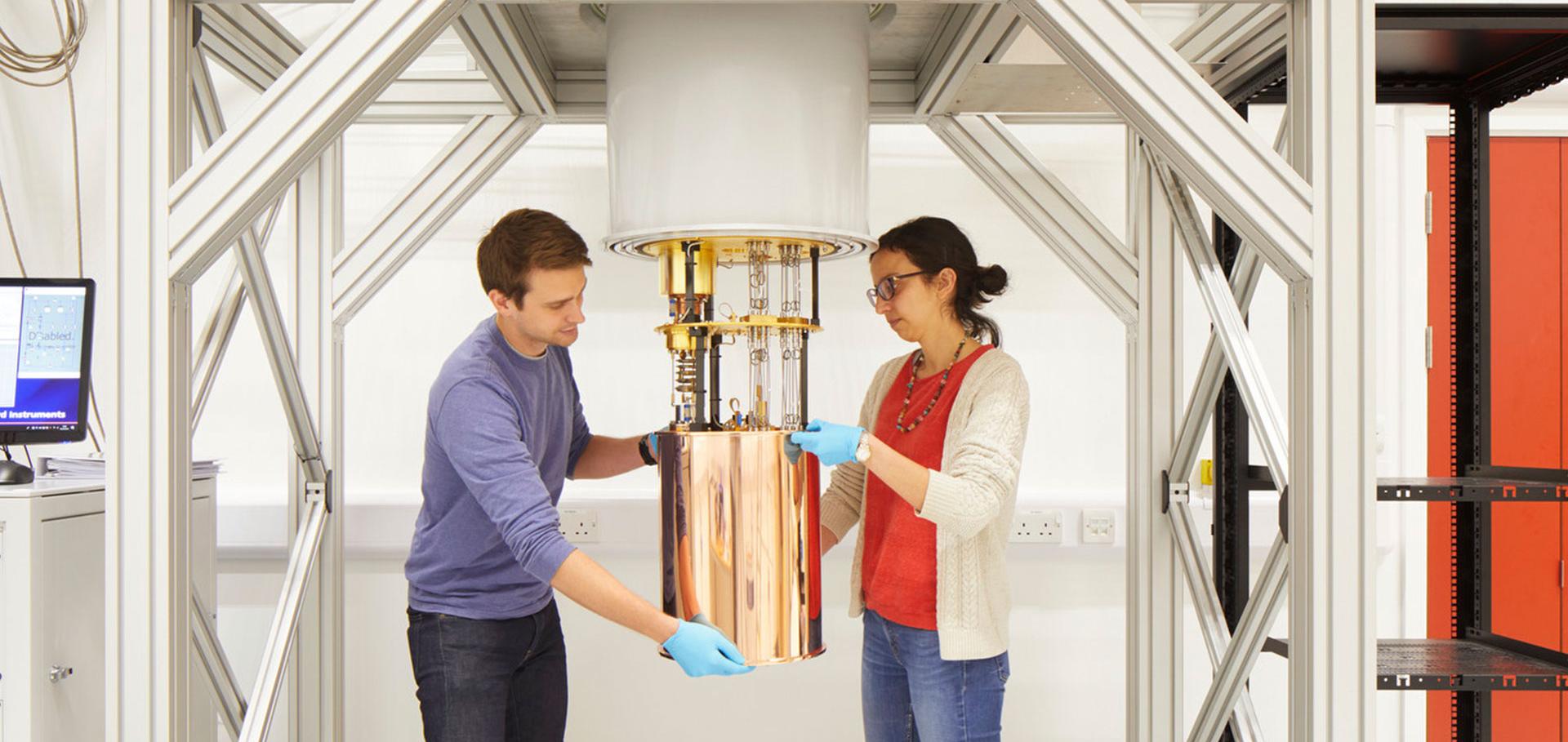
Credit: Jack Hobhouse

Esther Hung

Visitor - Long Term

Sub department

  • Condensed Matter Physics
esther.hung@physics.ox.ac.uk
  • About
  • Publications

Understanding the degradation of methylenediammonium and its role in phase-stabilizing formamidinium lead triiodide

Journal of the American Chemical Society American Chemical Society 145:18 (2023) 10275-10284

Authors:

Elisabeth A Duijnstee, Benjamin M Gallant, Philippe Holzhey, Dominik J Kubicki, Silvia Collavini, Bernd K Sturdza, Robin J Nicholas, Harry C Sansom, Joel Smith, Matthias J Gutmann, Santanu Saha, Murali Gedda, Mohamad I Nugraha, Manuel Kober-Czerny, Chelsea Xia, Adam D Wright, Yen-Hung Lin, Alexandra J Ramadan, Andrew Matzen, Esther Y-H Hung, Seongrok Seo, Suer Zhou, Jongchul Lim, Thomas D Anthopoulos, Marina R Filip, Michael B Johnston, Juan Luis Delgado, Henry J Snaith

Abstract:

Formamidinium lead triiodide (FAPbI3) is the leading candidate for single-junction metal–halide perovskite photovoltaics, despite the metastability of this phase. To enhance its ambient-phase stability and produce world-record photovoltaic efficiencies, methylenediammonium dichloride (MDACl2) has been used as an additive in FAPbI3. MDA2+ has been reported as incorporated into the perovskite lattice alongside Cl–. However, the precise function and role of MDA2+ remain uncertain. Here, we grow FAPbI3 single crystals from a solution containing MDACl2 (FAPbI3-M). We demonstrate that FAPbI3-M crystals are stable against transformation to the photoinactive δ-phase for more than one year under ambient conditions. Critically, we reveal that MDA2+ is not the direct cause of the enhanced material stability. Instead, MDA2+ degrades rapidly to produce ammonium and methaniminium, which subsequently oligomerizes to yield hexamethylenetetramine (HMTA). FAPbI3 crystals grown from a solution containing HMTA (FAPbI3-H) replicate the enhanced α-phase stability of FAPbI3-M. However, we further determine that HMTA is unstable in the perovskite precursor solution, where reaction with FA+ is possible, leading instead to the formation of tetrahydrotriazinium (THTZ-H+). By a combination of liquid- and solid-state NMR techniques, we show that THTZ-H+ is selectively incorporated into the bulk of both FAPbI3-M and FAPbI3-H at ∼0.5 mol % and infer that this addition is responsible for the improved α-phase stability.

More details from the publisher
Details from ORA
More details
More details
More details

A green solvent enables precursor phase engineering of stable formamidinium lead triiodide perovskite solar cells

Nature Communications Nature Research 15:1 (2024) 10110

Authors:

Benjamin M Gallant, Philippe Holzhey, Joel A Smith, Saqlain Choudhary, Karim A Elmestekawy, Pietro Caprioglio, Igal Levine, Alexandra A Sheader, Esther Y-H Hung, Fengning Yang, Daniel TW Toolan, Rachel C Kilbride, Karl-Augustin Zaininger, James M Ball, M Greyson Christoforo, Nakita K Noel, Laura M Herz, Dominik J Kubicki, Henry J Snaith

Abstract:

Perovskite solar cells (PSCs) offer an efficient, inexpensive alternative to current photovoltaic technologies, with the potential for manufacture via high-throughput coating methods. However, challenges for commercial-scale solution-processing of metal-halide perovskites include the use of harmful solvents, the expense of maintaining controlled atmospheric conditions, and the inherent instabilities of PSCs under operation. Here, we address these challenges by introducing a high volatility, low toxicity, biorenewable solvent system to fabricate a range of 2D perovskites, which we use as highly effective precursor phases for subsequent transformation to α-formamidinium lead triiodide (α-FAPbI3), fully processed under ambient conditions. PSCs utilising our α-FAPbI3 reproducibly show remarkable stability under illumination and elevated temperature (ISOS-L-2) and “damp heat” (ISOS-D-3) stressing, surpassing other state-of-the-art perovskite compositions. We determine that this enhancement is a consequence of the 2D precursor phase crystallisation route, which simultaneously avoids retention of residual low-volatility solvents (such as DMF and DMSO) and reduces the rate of degradation of FA+ in the material. Our findings highlight both the critical role of the initial crystallisation process in determining the operational stability of perovskite materials, and that neat FA+-based perovskites can be competitively stable despite the inherent metastability of the α-phase.
More details from the publisher
Details from ORA
More details
More details

Probing Local Coordination and Halide Miscibility in Single‑, Double‑, and Triple-Halide Perovskites Using EXAFS.

The journal of physical chemistry. C, Nanomaterials and interfaces 130:32 (2026) 11446-11457

Authors:

Sonia S Mulgund, Esther Y-H Hung, Leslie Bostwick, Ashley Galbraith, Owen M Romberg, Justus Just, Rebecca A Belisle

Abstract:

Lead-halide perovskites are a promising material platform as semiconductors in next-generation solar cells because of their solution processability, defect tolerance, and tunable optoelectronic properties. Mixed iodide-bromide perovskite compositions are attractive as wide-bandgap absorbers but suffer from significant operational instabilities. Incorporation of chloride to form triple-halide perovskites has been shown to improve both stability and performance; however, the extent of halide miscibility and chloride incorporation remains poorly understood. While bulk metrics such as diffraction-derived lattice parameters and optical bandgaps can confirm single-phase behavior, they do not establish homogeneous mixing on the halide site. Here, we use cryogenic X-ray absorption spectroscopy (XAS) to directly probe local lead-halide coordination across single-, double-, and triple-halide perovskite compositions. We show the formation of a single-phase triple-halide perovskite whose miscibility is mediated by bromide content. We identify signatures of halide mixing from the Pb L3-edge EXAFS of mixed double- and triple-halide perovskites using both quantitative fits and Cauchy wavelet transforms. Finally, using wavelet transforms of the Br K-edge EXAFS, we demonstrate halide intermixing on the single PbX6 octahedron level, exploiting forward-scattering amplified third-shell halide-bromide interactions. These results are a step forward in the understanding of local structure that is required to fully describe and optimize halide incorporation for novel perovskite compositions.
More details from the publisher
More details

Fullerene derivative integration controls morphological behaviour and recombination losses in non-fullerene acceptor-based organic solar cells

Materials Horizons Royal Society of Chemistry (2025)

Authors:

Apostolos Panagiotopoulos, Kyriakos Almpanidis, Esther Y-H Hung, Nikolaos Lempesis, Weidong Xu, George Perrakis, Sandra Jenatsch, Levon Abelian, Stoichko Dimitrov, Dimitar Kutsarov, Ehsan Rezaee, Benjamin M Gallant, Vlad Stolojan, Konstantinos Petridis, Samuel D Stranks, Henry J Snaith, George Kakavelakis, S Ravi P Silva

Abstract:

The complex and varied relationship found in intermolecular interactions within the photo-active layers plays a decisive role in determining the photovoltaic energy conversion and overall device performance of organic solar cells (OSCs). Among different approaches, the ternary blend strategy serves as an effective technique to control the morphology within the active layer in OSCs. In this work, PM6:L8-BO is used as the main host system (binary) while the fullerene molecules PC61BM and PCBC6 are introduced to form ternary OSCs. The results highlight the important role of fullerenes in enhancing the performance of binary non-fullerene acceptor-based cells by suppressing trap-assisted recombination and optimizing the active layer morphology. The improved film phase microstructure, enabled by fullerene derivatives with higher lowest unoccupied molecular orbital (LUMO) energy levels in comparison to the host acceptor (L8-BO), facilitates more efficient charge collection and reduced non-radiative recombination. This results in an increase in the fill factor (FF) and open circuit voltage (Voc) in the ternary OSCs. Consequently, power conversion efficiencies (PCEs) of binary OSCs were increased from 17.28% to 18.10% and 18.38% for the PC61BM- and PCBC6-based ternary OSCs, respectively. Furthermore, the addition of the fullerene molecules in the active layer provided the devices with enhanced long-term photo and thermal stability. The ternary OSCs demonstrated degradation pathways distinct from those of binary cells (ISOS-L1-I and ISOS-D2-I protocols), as identified through in situ ultraviolet-visible (UV-Vis) absorption and Raman spectroscopy. Molecular dynamics (MD) simulations, for the first time, reveal the significant role of fullerene molecules as morphology regulators in non-fullerene acceptor (NFA)-based systems. Their presence ensures improved dispersion of blend components and promotes more uniform and isotropic thermal and mechanical behaviour. Finally, mini-modules with active areas of 3.8 cm2 were fabricated, achieving PCEs of 12.90%, 13.32%, and 13.70% for the binary and ternary cells using PC61BM-and PCBC6-based ternary cells, respectively. Our results demonstrate that regulation of the morphology of the photo-active layer in OSCs through fullerene incorporation reduces the non-radiative energy loss pathways, enabling high-efficiency, stable and scalable OSCs.
More details from the publisher
Details from ORA
More details
More details

Tailoring a lead-free organic–inorganic halobismuthate for large piezoelectric effect

Journal of the American Chemical Society American Chemical Society 147:49 (2025) 45366-45376

Authors:

Esther YH Hung, Benjamin M Gallant, Robert Harniman, Jakob Möbs, Santanu Saha, Khaled Kaja, Charles Godfrey, Shrestha Banerjee, Nikolaos Famakidis, Harish Bhaskaran, Marina R Filip, Paolo Radaelli, Nakita K Noel, Dominik J Kubicki, Harry C Sansom, Henry J Snaith

Abstract:

Molecular piezoelectrics are a potentially disruptive technology, enabling a new generation of self-powered electronics that are flexible, high performing, and inherently low in toxicity. Although significant efforts have been made toward understanding their structural design by targeted manipulation of phase transition behavior, the resulting achievable piezoresponse has remained limited. In this work, we use a low-symmetry, zero-dimensional (0D) inorganic framework alongside a carefully selected ‘quasi-spherical’ organic cation to manipulate organic–inorganic interactions and thus form the hybrid, piezoelectric material [(CH3)3NCH2I]3Bi2I9. Using variable–temperature single crystal X-ray diffraction and solid-state nuclear magnetic resonance spectroscopy, we demonstrate that this material simultaneously exhibits an order–disorder and displacive symmetry-breaking phase transition. This phase transition is mediated by halogen bonding between the organic and inorganic frameworks and results in a large piezoelectric response, d 33 = 161.5 pm/V. This value represents a 4-fold improvement on previously reported halobismuthate piezoelectrics and is comparable to those of commercial inorganic piezoelectrics, thus offering a new pathway toward low-cost, low-toxicity mechanical energy harvesting and actuating devices.
More details from the publisher
Details from ORA
More details
More details

Pagination

  • Current page 1
  • Page 2
  • Next page Next
  • Last page Last

Footer Menu

  • Contact us
  • Giving to the Dept of Physics
  • Work with us
  • Media

User account menu

  • Log in

Follow us

FIND US

Clarendon Laboratory,

Parks Road,

Oxford,

OX1 3PU

CONTACT US

Tel: +44(0)1865272200

University of Oxfrod logo Department Of Physics text logo
IOP Juno Champion logo Athena Swan Silver Award logo

© University of Oxford - Department of Physics

Cookies | Privacy policy | Accessibility statement

Built by: Versantus

  • Home
  • Research
  • Study
  • Engage
  • Our people
  • News & Comment
  • Events
  • Our facilities & services
  • About us
  • Giving to Physics
  • Current students
  • Staff intranet