


Forecast-based attribution for midlatitude cyclones
Copernicus Publications (2025)
Towards an operational forecast-based attribution system - beyond isolated events
Copernicus Publications (2025)
Event attribution of a midlatitude windstorm using ensemble weather forecasts
Environmental Research: Climate IOP Publishing (2024)
Abstract:
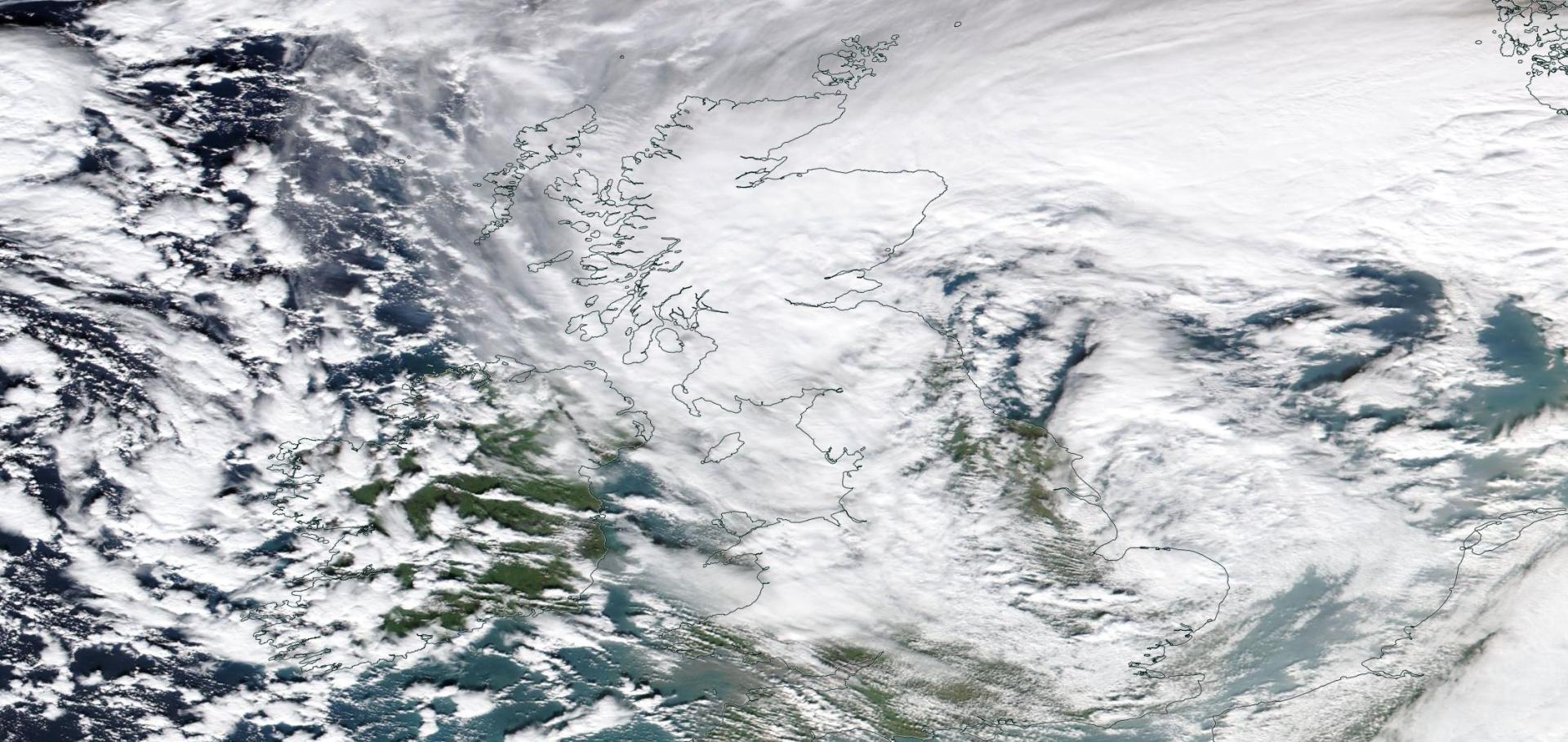
<jats:title>Abstract</jats:title> <jats:p>The widespread destruction and insurance losses incurred by midlatitude storms every year makes it an imperative to study how storms change with climate change. The impact of climate change on midlatitude windstorms, however, is hard to evaluate due to the small climate change signal in variables such as windspeed compared to the noise of weather, as well as the high resolutions required to represent the dynamic processes in the storms. The midlatitude cyclone Eunice hit the South of the UK on February 18, 2022. Here, we assess how Eunice was impacted by anthropogenic climate change using the ECMWF ensemble prediction system. This system was demonstrably able to predict the storm, thus significantly increasing our confidence in its ability to model the key physical underlying processes and how they repsond to climate change. Using modified boundary conditions for the greenhouse gas concentrations and changed initial conditions for the 3D ocean temperatures, we create two counterfactual scenarios of storm Eunice in addition to the forecast for the current climate. We compare the intensity and severity of the storm between the pre-industrial, current, and future climates. Our results robustly indicate that Eunice has become more intense with climate change and similar storms will continue to intensify with further anthropogenic forcing. These results are consistent across forecast lead times of eight, four and two days, increasing our confidence in them. Analysis of storm composites shows that this process is caused by increased vorticity production through increased humidity in the warm conveyor belt of the storm. This is consistent with previous studies on extreme windstorms. Our approach of combining forecasts at different lead times for event attribution of a single event enables combining event specificity and a focus on dynamic changes with the assessment of changes in risks from strong winds. Further work is needed to develop methods to adjust the initial conditions of the atmosphere for the use in attribution studies using weather forecasts but we show that this approach is viable for reliable and fast attribution systems.&#xD;</jats:p>Modelling interannual variability in a tropical cyclone hazard model
Copernicus Publications (2022)