Latest news and comment Audience - Any Audience - Alumni Industry Schools, prospective students and community Research Undergraduates Graduates International Year of Quantum Department of Physics (requires login) Research theme - Any Research theme - Accelerator physics Astronomy and astrophysics Biological physics Climate physics Exoplanets and planetary physics Fields, strings, and quantum dynamics Fundamental particles and interactions Instrumentation Lasers and high energy density science Particle astrophysics & cosmology Photovoltaics and nanoscience Plasma physics Quantum information and computation Quantum materials Quantum optics & ultra-cold matter Sub-department - Any Sub-department - Astrophysics Atmospheric, Oceanic and Planetary Physics Atomic and Laser Physics Condensed Matter Physics Particle Physics Professional and support services Rudolf Peierls Centre for Theoretical Physics Professor Johnston receives Kenneth J Button Award Professor Michael Johnston has been given the International Society of Infrared, Millimeter, and Terahertz Waves (IRMMW-THz) Kenneth J Button Award 2027. 22 October 2026 Physics spin-out receives government boost A spin-out from the University of Oxford is set to benefit from a share of £50 million of government funding, part of a wider goal to make the UK a world leader in quantum sensing by 2030. 22 October 2026 Celebrating CERN Teams from Oxford welcomed the University of Oxford’s Vice Chancellor Professor Irene Tracey during the extended shutdown to showcase plans for the future. 22 October 2026 Lighting a fire for physics The Department of Physics has expanded its series of taster sessions for Year 11 students to include those in Year 10 as well – and instead of one session each year, there are now three: one per term. 21 October 2026 Savilian Professor of Astronomy: the next 400 years The most recent Savilian professor, Steven Balbus FRS, held the chair from 2012-2024 and, last year, co-edited a book on the topic; we spoke with him to find out what it means to hold the title. 20 October 2026 Quantum network entangles several atoms of different elements Physicists at the University of Oxford have used a quantum network to entangle several atoms across two separate locations; the atoms are two different elements, strontium and calcium. 15 October 2026 Quantum uncertainty from addition Oxford graduate student publishes study showing derivations of quantum probability depend on the same assumption: that the probabilities of mutually exclusive outcomes can be summed. 13 October 2026 Professor Davis awarded IOP Faraday Prize Professor JC Séamus Davis has been awarded the Institute of Physics Michael Faraday Medal and Prize for his discovery and exploration of macroscopic quantum phenomena and states of matter. 12 October 2026 Physicists tell AI what to do Researchers at the University of Oxford have developed a new way to use generative artificial intelligence (AI) that circumvents the need for machine-learning models to rediscover relationships that physicists already know how to describe. 8 October 2026 UK astronomers help reveal host galaxy of most distant fast radio burst An international team of astronomers including Dr Kaustubh Rajwade from the University of Oxford, have identified the most distant fast radio burst (FRB) seen to date. 8 October 2026 Using AI-discovered equations to study climate variability Researchers have used an AI technique called equation discovery to derive, directly from observational data, three simple equations that describe how the North Atlantic Ocean, atmosphere and rainfall interact over decades. 7 October 2026 Meet...Jiaxuan Zhang We work among extraordinary people doing extraordinary things; we meet DPhil student, Jiaxuan Zhang 5 October 2026 Load More
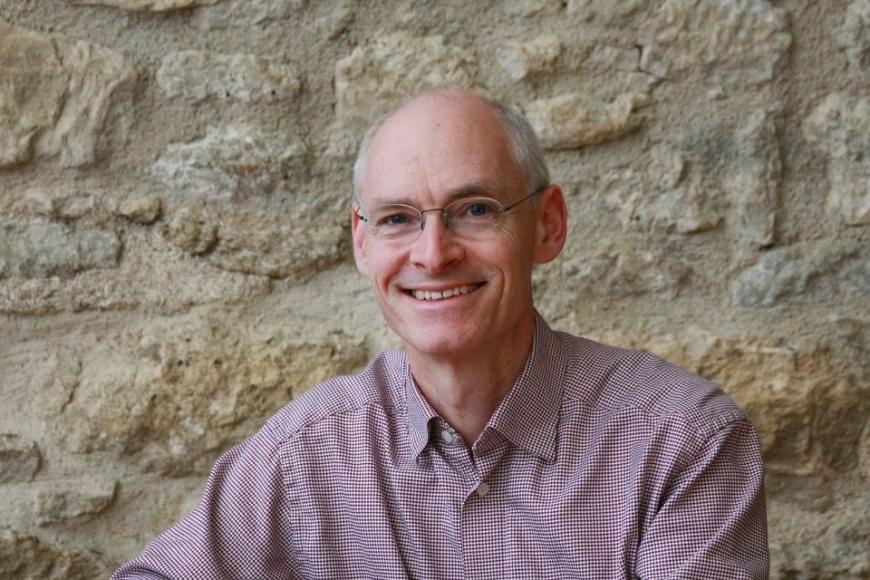
Professor Johnston receives Kenneth J Button Award Professor Michael Johnston has been given the International Society of Infrared, Millimeter, and Terahertz Waves (IRMMW-THz) Kenneth J Button Award 2027. 22 October 2026
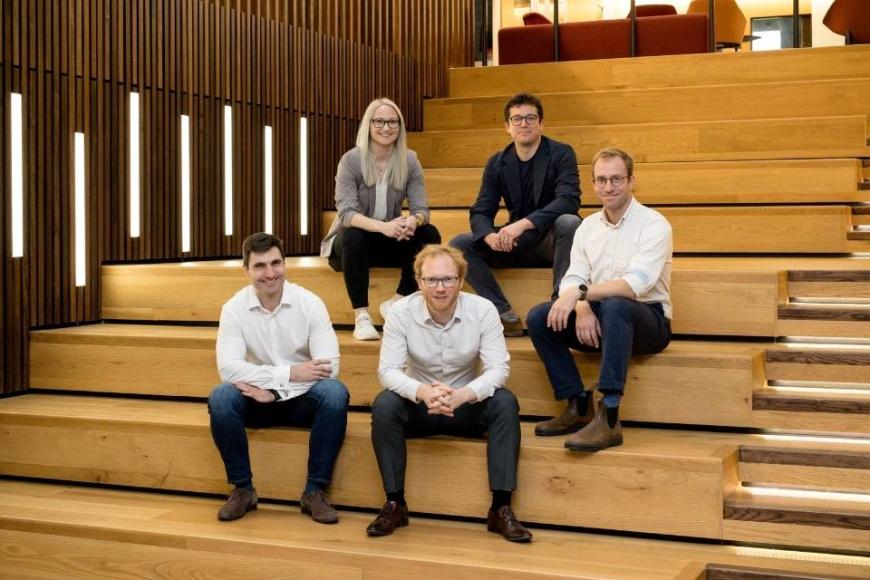
Physics spin-out receives government boost A spin-out from the University of Oxford is set to benefit from a share of £50 million of government funding, part of a wider goal to make the UK a world leader in quantum sensing by 2030. 22 October 2026
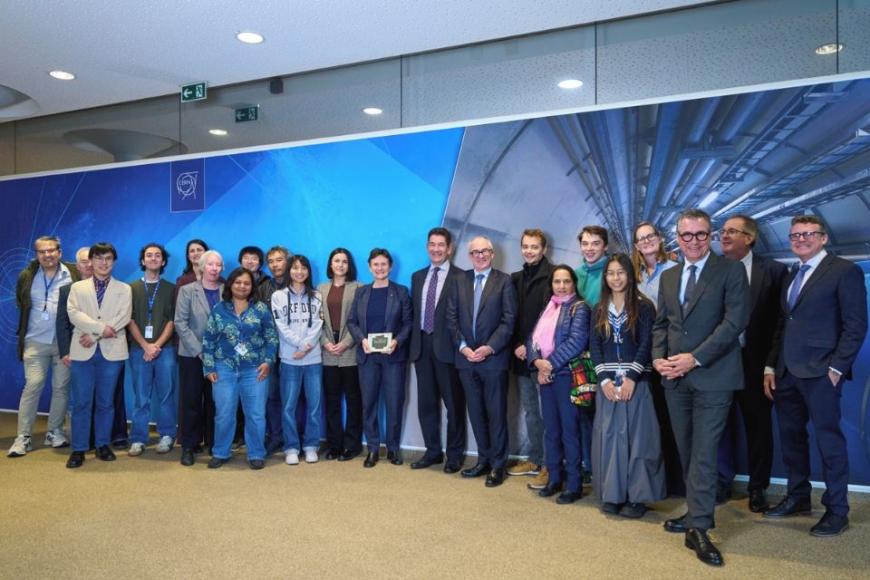
Celebrating CERN Teams from Oxford welcomed the University of Oxford’s Vice Chancellor Professor Irene Tracey during the extended shutdown to showcase plans for the future. 22 October 2026
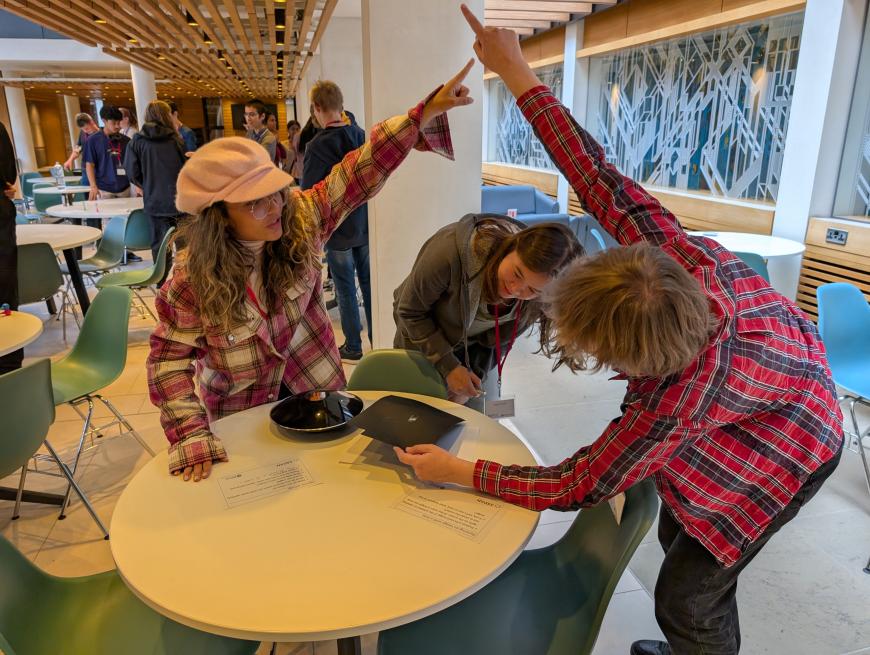
Lighting a fire for physics The Department of Physics has expanded its series of taster sessions for Year 11 students to include those in Year 10 as well – and instead of one session each year, there are now three: one per term. 21 October 2026
Savilian Professor of Astronomy: the next 400 years The most recent Savilian professor, Steven Balbus FRS, held the chair from 2012-2024 and, last year, co-edited a book on the topic; we spoke with him to find out what it means to hold the title. 20 October 2026
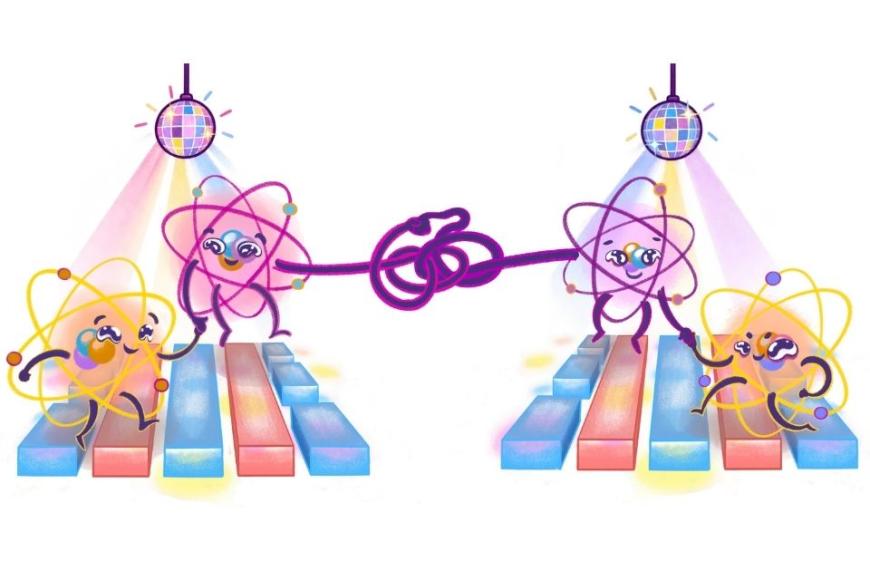
Quantum network entangles several atoms of different elements Physicists at the University of Oxford have used a quantum network to entangle several atoms across two separate locations; the atoms are two different elements, strontium and calcium. 15 October 2026
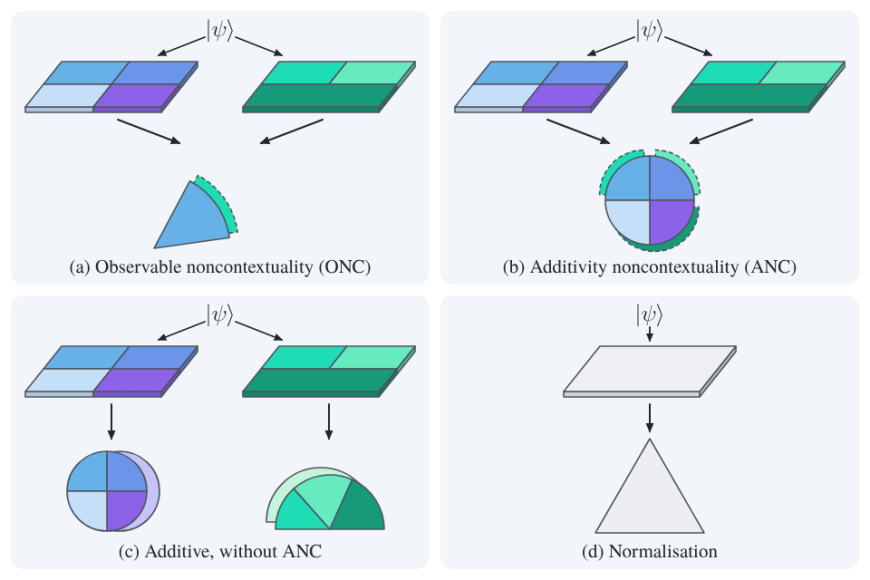
Quantum uncertainty from addition Oxford graduate student publishes study showing derivations of quantum probability depend on the same assumption: that the probabilities of mutually exclusive outcomes can be summed. 13 October 2026
Professor Davis awarded IOP Faraday Prize Professor JC Séamus Davis has been awarded the Institute of Physics Michael Faraday Medal and Prize for his discovery and exploration of macroscopic quantum phenomena and states of matter. 12 October 2026
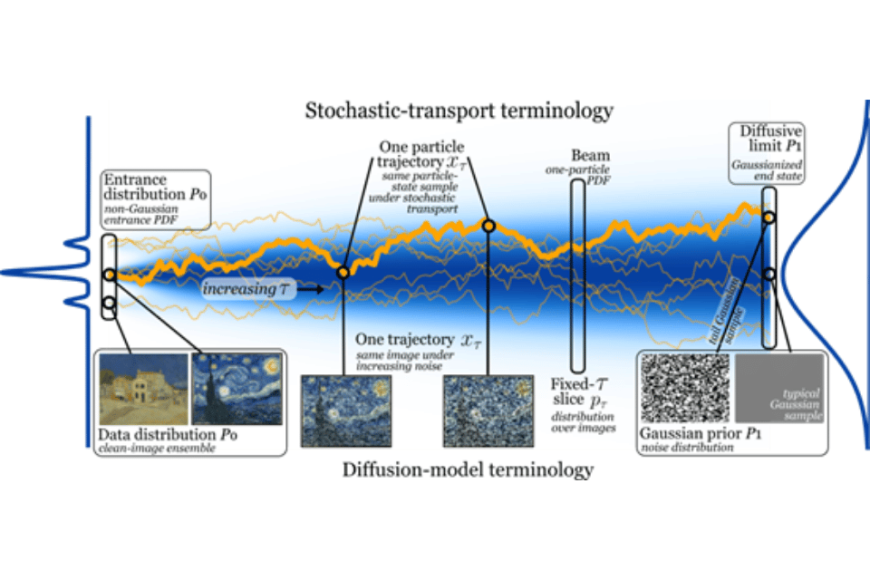
Physicists tell AI what to do Researchers at the University of Oxford have developed a new way to use generative artificial intelligence (AI) that circumvents the need for machine-learning models to rediscover relationships that physicists already know how to describe. 8 October 2026
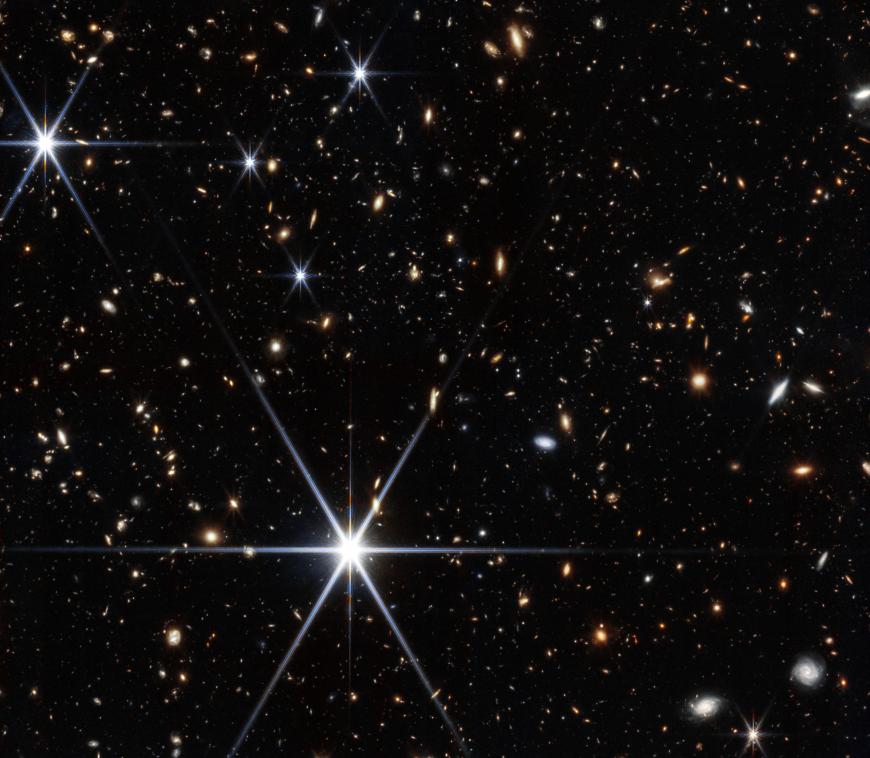
UK astronomers help reveal host galaxy of most distant fast radio burst An international team of astronomers including Dr Kaustubh Rajwade from the University of Oxford, have identified the most distant fast radio burst (FRB) seen to date. 8 October 2026
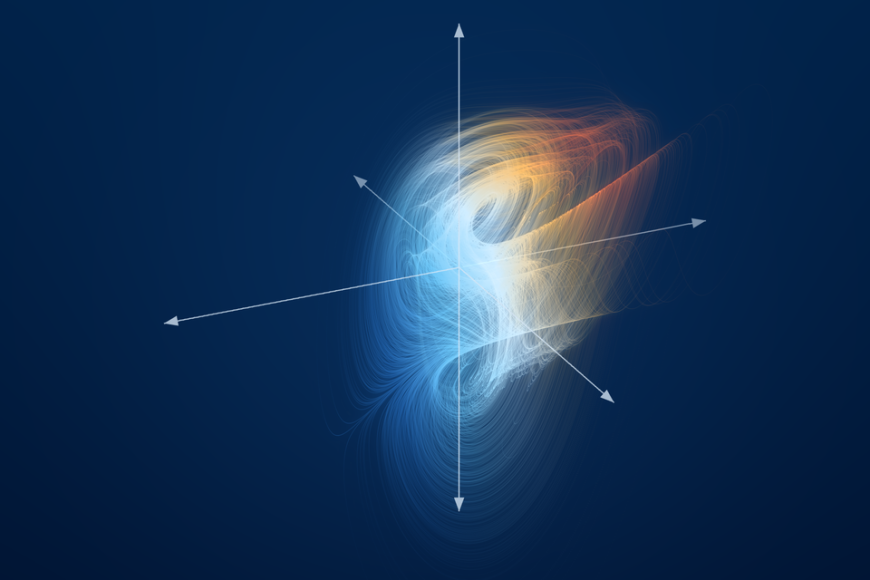
Using AI-discovered equations to study climate variability Researchers have used an AI technique called equation discovery to derive, directly from observational data, three simple equations that describe how the North Atlantic Ocean, atmosphere and rainfall interact over decades. 7 October 2026
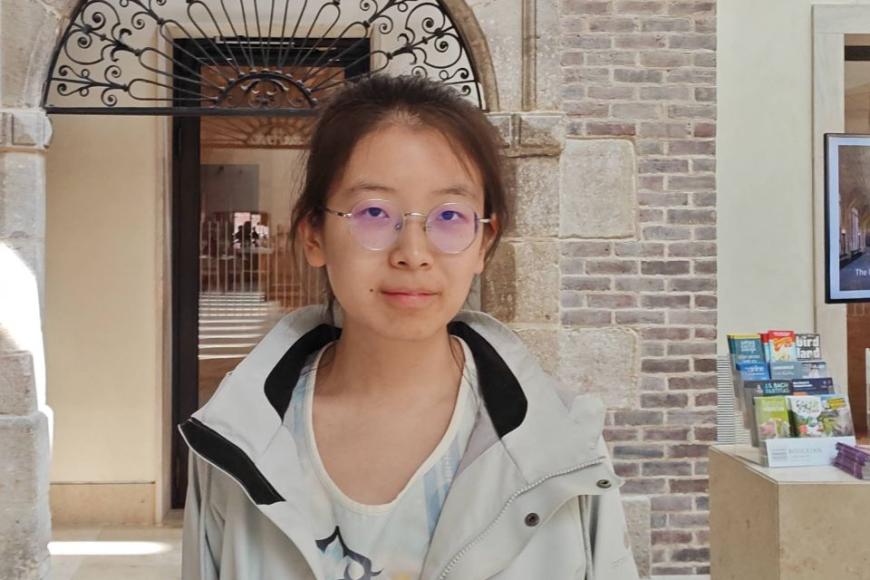
Meet...Jiaxuan Zhang We work among extraordinary people doing extraordinary things; we meet DPhil student, Jiaxuan Zhang 5 October 2026