

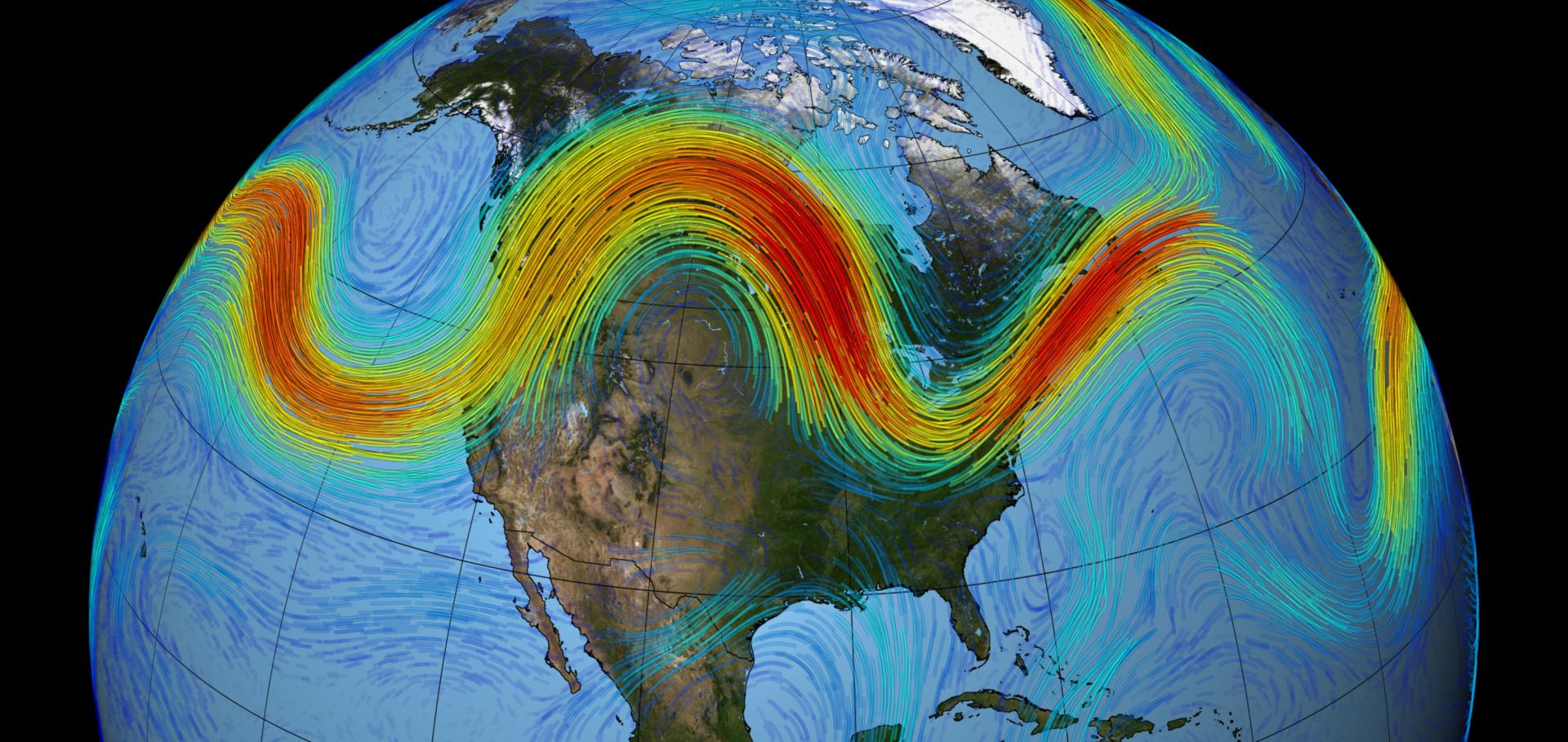
Robust Future Changes in Temperature Variability under Greenhouse Gas Forcing and the Relationship with Thermal Advection
Journal of Climate American Meteorological Society 29:6 (2016) 2221-2236
How to decarbonize? Look to Sweden
Bulletin of the Atomic Scientists Routledge 72:2 (2016) 105-111
Abstract:
Bringing global warming to a halt requires that worldwide net emissions of carbon dioxide be brought to essentially zero, and the sooner this occurs, the less warming our descendants for the next thousand years and more will need to adapt to. The widespread fear that the actions needed to bring this about conflict with economic growth is a major impediment to efforts to protect the climate. However, much of this fear is pointless, and the magnitude of the task, while great, is no greater than challenges human ingenuity has surmounted in the past. To light the way forward, there is a need for examining success stories in which nations have greatly reduced their carbon dioxide emissions while simultaneously maintaining vigorous growth in the standard of living. In this article, the example of Sweden is showcased. Through a combination of sensible government infrastructure policies and free-market incentives, Sweden has managed to successfully decarbonize, cutting its per capita emissions by a factor of three since the 1970s, while doubling its pre capita income and providing a wide range of social benefits. This has all be accomplished within a vigorous capitalistic framework which in many ways embodies freemarket principles better than the economy of the United States.Linguistic analysis of IPCC summaries for policymakers and associated coverage
Nature Climate Change Springer Nature 6:3 (2016) 311-316
Stratospheric polar vortex splits and displacements in the high‐top CMIP5 climate models
Journal of Geophysical Research: Atmospheres American Geophysical Union (AGU) 121:4 (2016) 1400-1413
The NuMI neutrino beam
NUCLEAR INSTRUMENTS & METHODS IN PHYSICS RESEARCH SECTION A-ACCELERATORS SPECTROMETERS DETECTORS AND ASSOCIATED EQUIPMENT 806 (2016) 279-306