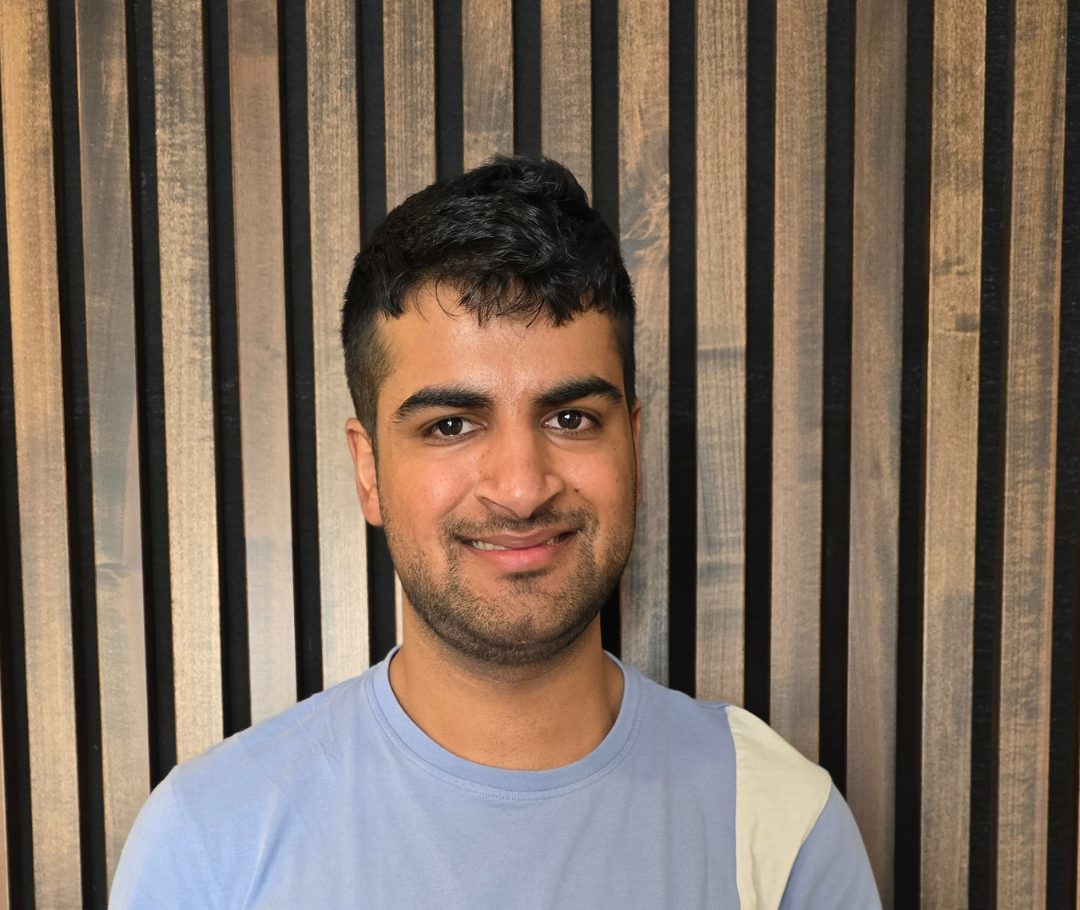
It is a very multidisciplinary subject so I wanted the opportunity to engage and learn from others working in physics, engineering, and chemistry to help me get a proper understanding for my research.
Mihir Manium, student, Superconductivity CDT


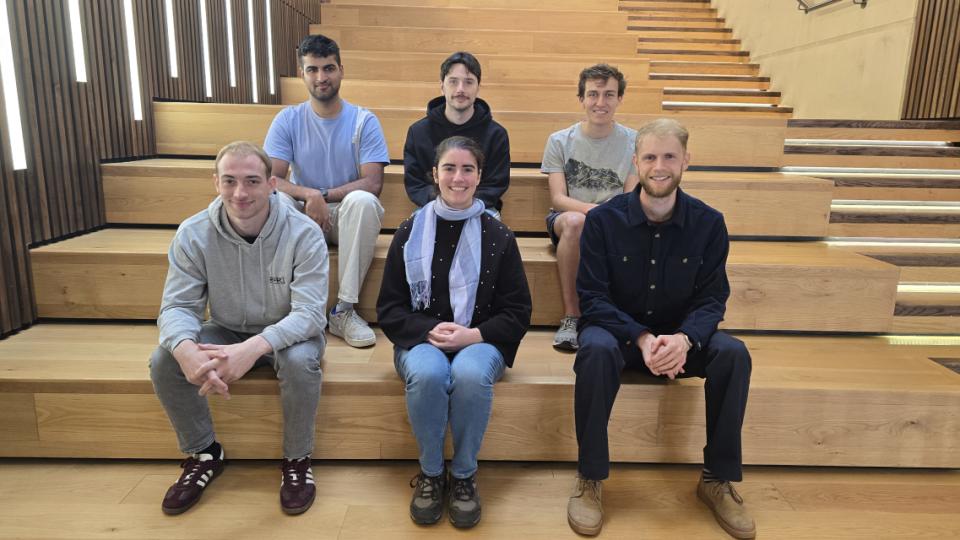
The brand new EPSRC Centre for Doctoral Training in Superconductivity: Enabling Transformative Technologies has welcomed its first 16-strong cohort. The four-year PhD programme provides students with essential training to develop the knowledge for cutting-edge research in superconductivity.
The programme aims to equip students with the essential multidisciplinary skills required to develop the transformative technologies driven by superconducting properties needed across a broad range of sectors such as Net Zero, improved healthcare and quantum devices.
The Superconductivity CDT brings together graduate superconductivity training at the universities of Bristol, Oxford and Cambridge across their Physics, Materials, Engineering and Chemistry departments. It also has partnerships with several major companies which use superconducting technology as well as with international large-scale facilities. The new CDT is also supported by Oxford colleges by co-funding some of the Oxford students. The new centre will form a nucleus for the entire UK superconductivity community, offering training and networking opportunities to those in the wider ecosystem.
Research areas include the fundamentals of superconductivity, aspects of material modelling, physical and superconducting properties of new materials, synthesis and processing, superconducting applications and superconducting devices. Students will undertake their own research project, a central pillar of the course, along with a detailed training programme, group projects and focused activities to develop broader skills, partner placement project in industry or at a large scale research facility.
‘We are all delighted to welcome our first cohort of graduate students onto the CDT course,’ comments Professor Amalia Coldea, on behalf of the Superconductivity CDT management board. ‘Superconductivity is a major topic of research today because of its huge potential impact in enabling emerging technologies.
'Superconductors have zero resistance and do not dissipate any energy; superconductors expel magnetic fields and enable levitation; superconducting junctions allow supercurrents in the absence of an applied voltage and superconducting circuits are candidates for quantum computation. Because of their unique properties, superconductors hold the key towards a more sustainable future with a large potential of applications in energy, electrical motors, medical imaging, transportation, or fusion where superconducting magnets enable plasma confinement.
'The Superconductivity CDT brings together three world-class institutions to push the boundaries of superconductivity research and train the new generation in order to develop the exciting technologies of the future.'
It is a very multidisciplinary subject so I wanted the opportunity to engage and learn from others working in physics, engineering, and chemistry to help me get a proper understanding for my research.
Mihir Manium, student, Superconductivity CDT
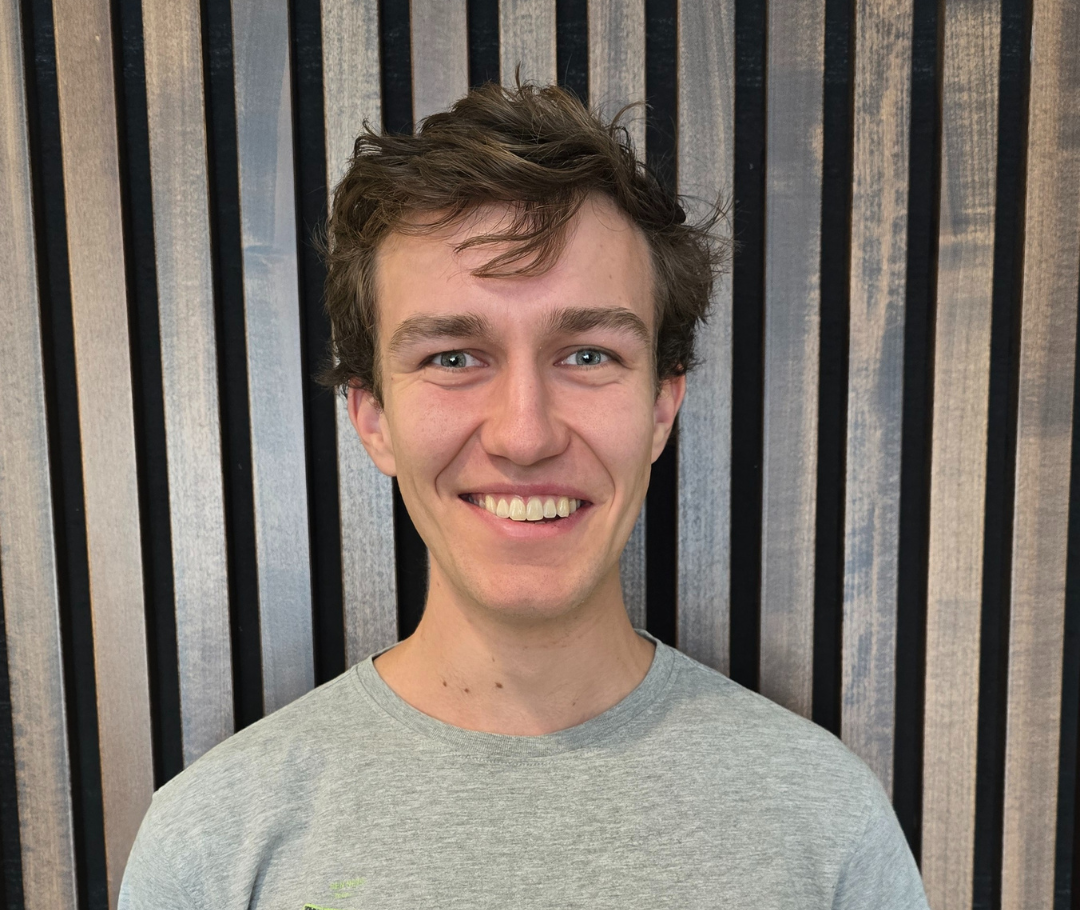
The thought of studying a narrow research project for a PhD was very daunting, especially since I haven't studied superconductors in depth before, but the CDT offers a great way to broaden my knowledge about the field, and is pitched at just the right level.
Alexander Craig, student, Superconductivity CDT
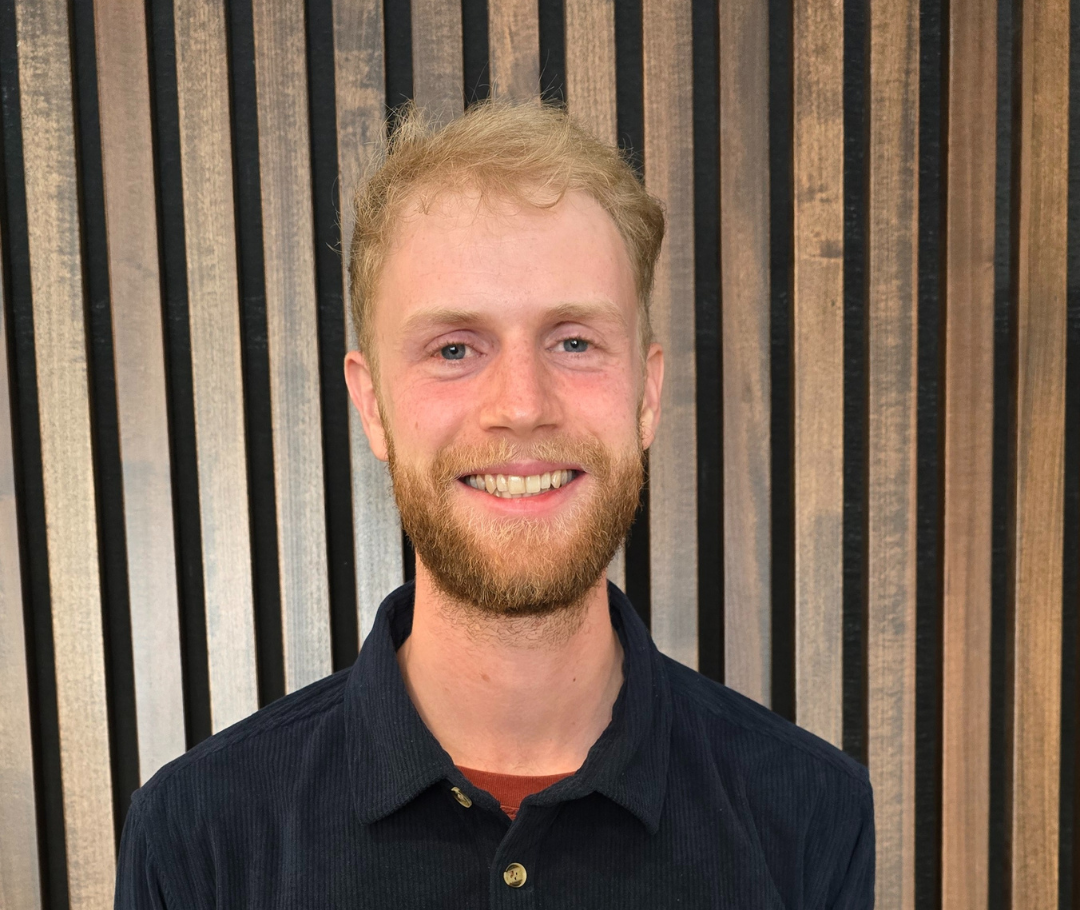
The partner placement appealed to me. I have had the privilege of studying/working abroad during my undergraduate degree and I found it very enriching, so I think it is great that it is offered as part of the CDT as well. I’m going to be using it as an excuse to try out something in a field I know very little about, but I think the wider perspective you get on the field as a whole is invaluable.
Ewan Thomas, student, Superconductivity CDT
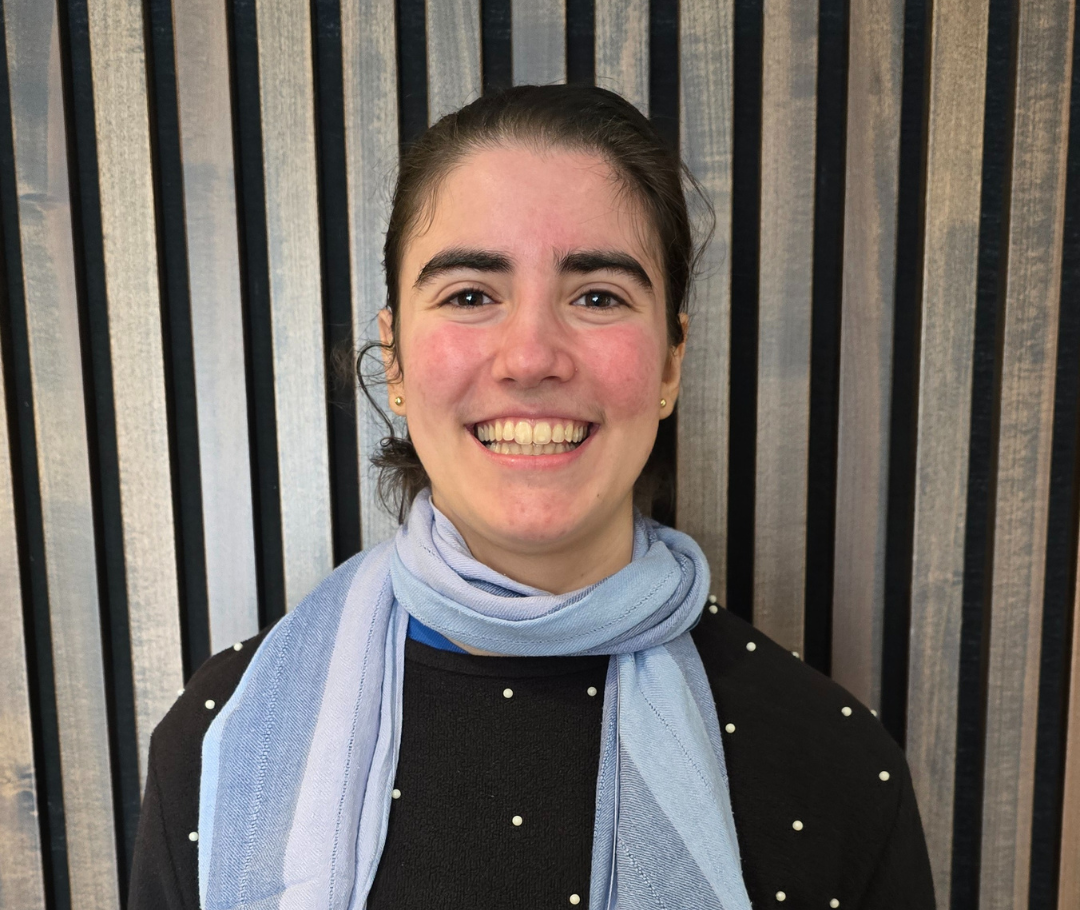
I hope to gain a solid foundation of the field of superconductivity, to compliment the narrow, specialised knowledge I gain in my DPhil research. I think this will be very valuable for reading papers written by people in other fields (eg computational papers) and having the skills to analyse if it’s relevant. I also hope to gain a network of peers who are each very skilled in their respective fields, for support and possible future collaboration.
Isabel Fernandez-Victorio, student, Superconductivity CDT
To find out more about the Superconductivity CDT and the different research projects, please consult: https://superconductivity-cdt.ac.uk/
For more information, contact: superconductivity.cdt.admin@physics.ox.ac.uk