
I am a Senior Research Fellow currently working on development of a next-generation patent-pending malaria diagnostic, HI-MIND, which I conceived at Oxford.
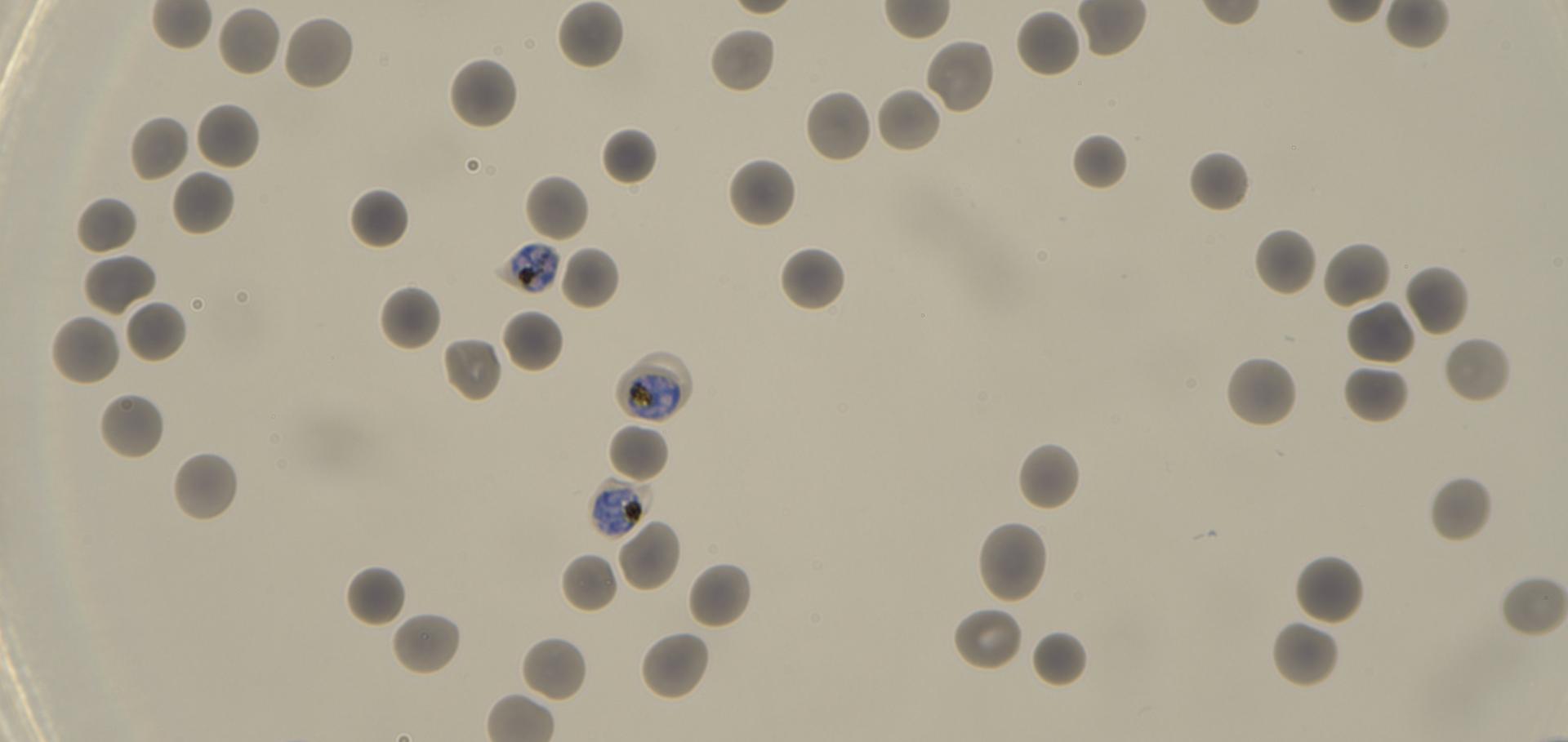
HI-MIND (Hemozoin Imaging Malaria Intelligent Diagnostic) uses optical detection of hemozoin, the crystalline pigment produced by malaria parasites during the digestion of haemoglobin, with the aim of providing a rapid, low-cost and widely deployable diagnostic platform. The technology builds on our earlier patented back-scattering dark-field microscopy technique.
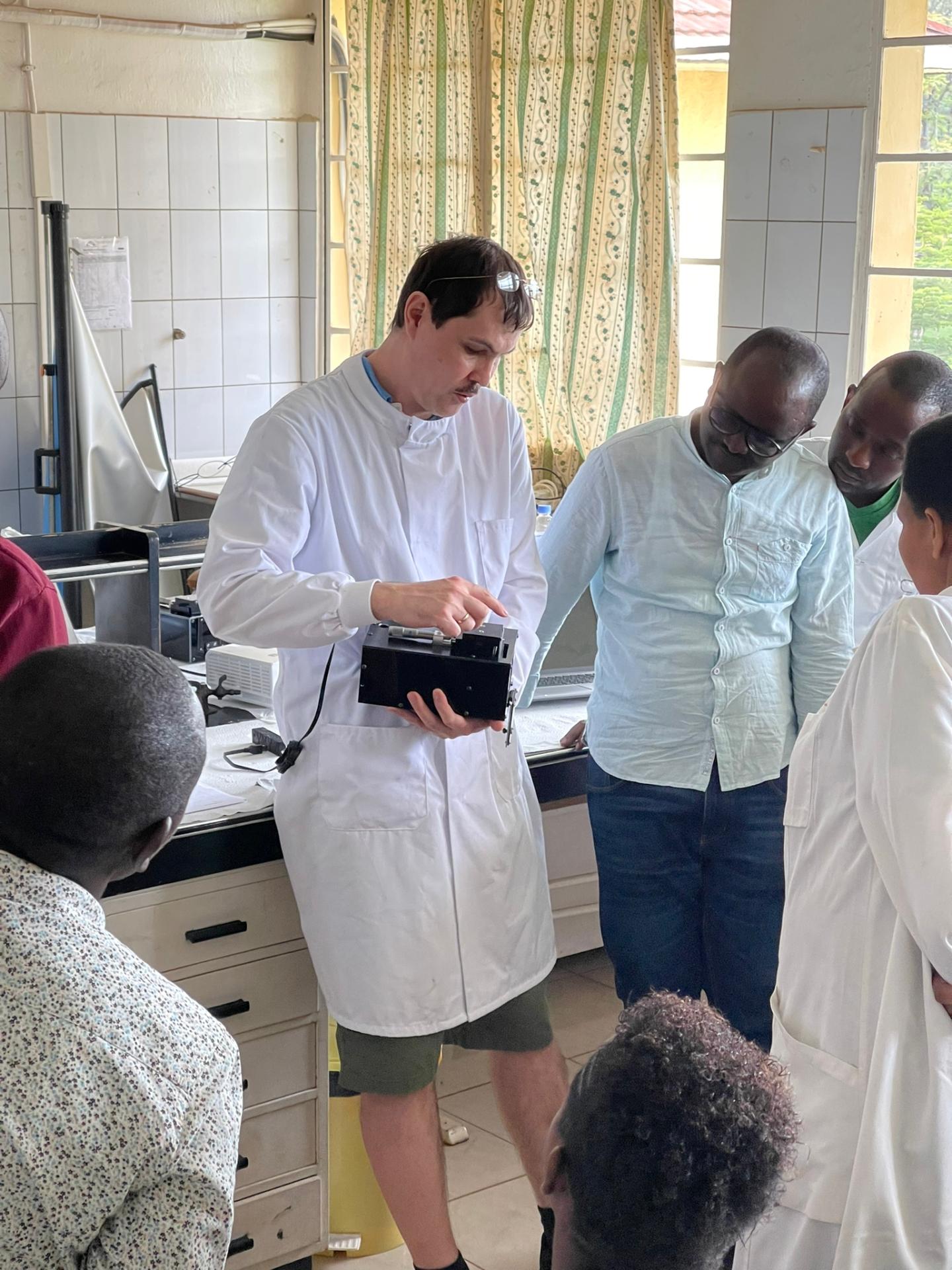
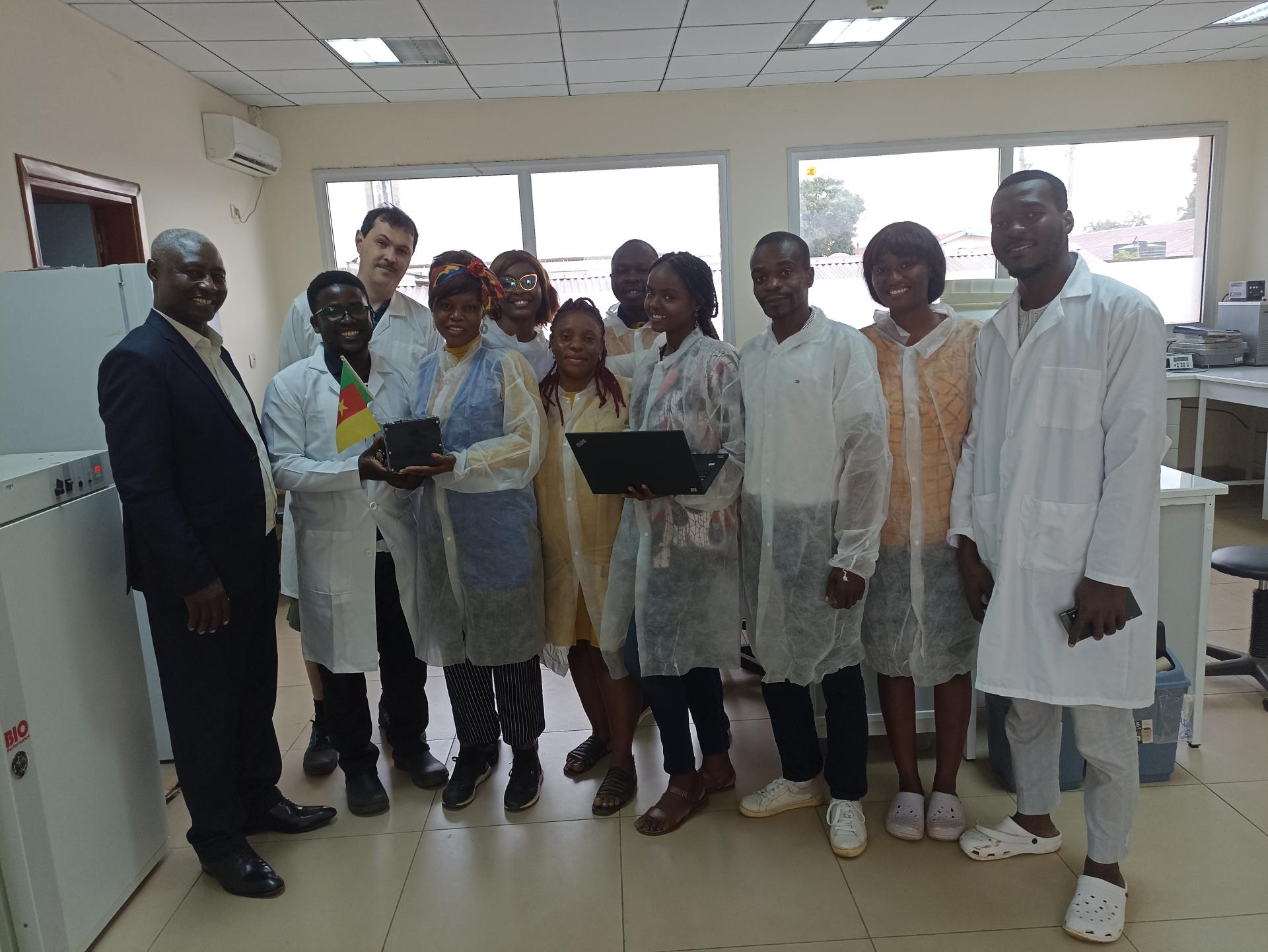
The project has grown into an international, multidisciplinary research programme bringing together researchers and clinical teams across Europe, Africa and Asia. It combines optics, engineering, computer science, biochemistry, cell biology, clinical epidemiology and public health, with extensive testing and collaboration in malaria-endemic settings. We are testing HI-MIND in rural areas of Thailand, Kenya, Rwanda, Cameroon and Ghana. Our long-term goal is to translate our approach into a practical diagnostic technology and a connected low-cost malaria diagnostic platform suitable for self-testing.
In parallel I work on membrane proteins and rotary molecular motors, particularly the F1Fo ATP synthase, using approaches ranging from bulk biochemical assays to single-molecule biophysics and single-particle cryo-electron microscopy.
The pictures below show our prototypes being tested in Africa and Asia.