Home
Department Of Physics text logo
  • Research
    • Our research
    • Our research groups
    • Our research in action
    • Research funding support
    • Summer internships for undergraduates
  • Study
    • Undergraduates
    • Postgraduates
  • Engage
    • For alumni
    • For business
    • For schools
    • For the public
  • Support
Menu
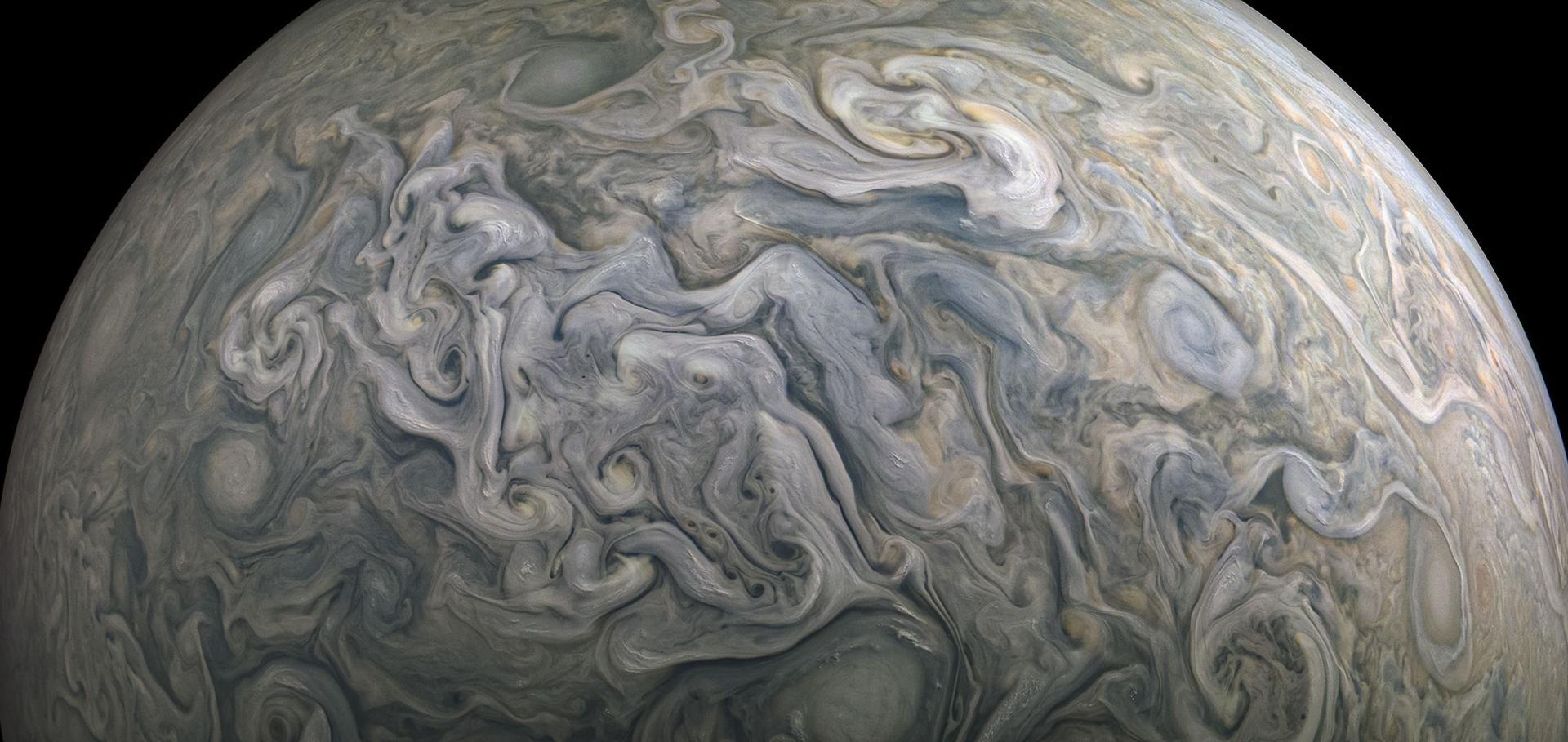
Juno Jupiter image

Henry Eshbaugh

RA in Space Instruments

Research theme

  • Instrumentation
  • Exoplanets and planetary physics

Sub department

  • Atmospheric, Oceanic and Planetary Physics

Research groups

  • Planetary surfaces
  • Space instrumentation
henry.eshbaugh@physics.ox.ac.uk
Atmospheric Physics Clarendon Laboratory, room 305
  • About
  • Publications

Investigating the Detectability of Subsurface Lunar Water-Ice Beneath Regolith Dust Using Infrared Reflectance Spectroscopy

(2026)

Authors:

Fiona Henderson, Neil Bowles, Katherine Shirley, Jon Temple, Henry Eshbaugh

Abstract:

Hydration on the lunar surface has been widely identified in orbital datasets (e.g., M³, LCROSS, LAMP), yet the physical form, abundance, and spatial distribution of lunar volatiles remain poorly constrained. Interpretation is complicated by fine-grained regolith, which modifies local thermophysical conditions, obscures underlying volatiles, and alters diagnostic spectral features through scattering and photometric effects. These uncertainties are particularly significant for permanently shadowed regions (PSRs) and high latitudes , where temperatures below ~120 K may preserve water-ice over geological timescales and where several upcoming missions (e.g., Chang’e-7, PROSPECT, CLPS payloads, LEAP) aim to investigate insitu volatiles.We present the development of the Polar Analogue of Dust Overlying Regolith–Ice (PANDOR-I), a demountable laboratory vacuum chamber designed to simulate lunar polar conditions for infrared studies of water-ice and regolith mixtures. The system is engineered to operate under high vacuum and cryogenic conditions (~10⁻⁶ mbar; ≤120 K) and supports variable illumination geometries relevant to polar environments. PANDOR-I operates in two configurations: (1) coupled to a Bruker Vertex 70v FTIR spectrometer for laboratory reflectance measurements across 1.8–20 µm, and (2) integrated with existing flight-instrument thermal-vacuum facilities to enable direct observations by flight-ready infrared instruments.As an initial experimental phase prior to full cryogenic integration, the FTIR sample compartment has been isolated using KBr windows to enable controlled low-pressure (~0.2 mbar) reflectance measurements of hydrated and anhydrous regolith analogue configurations. These preliminary experiments investigate how dust layering, grain size, regolith maturity, composition, ice abundance, and mixing state influence the spectral expression of hydration features, with emphasis on the ~3 µm O–H stretching region and the diagnostic ~6 µm H–O–H bending mode of molecular water. Laboratory spectra will additionally be compared with Mie–Hapke forward models to examine band depth suppression, spectral mixing behaviour, and detectability thresholds under dusty polar conditions.This work reviews the laboratory framework for constraining infrared water-ice detection limits under mission-relevant lunar conditions and provides initial calibration datasets relevant to upcoming orbital and surface investigations of lunar polar volatiles.1. Honniball, C.I., Lucey, P.G., Hayne, P.O., Little, R.C., Greenhagen, B.T., Malespin, C. and Orlando, T.M., 2021. Molecular water detected on the sunlit Moon by SOFIA. Nature Astronomy, 5(2), pp.121–127. https://doi.org/10.1038/s41550-020-01222-x2. Saal, A.E., Hauri, E.H., Cascio, M.L., Van Orman, J.A., Rutherford, M.C. and Cooper, R.F., 2008. Volatile content of lunar volcanic glasses and the presence of water in the Moon’s interior. Nature, 454(7201), pp.192–195. https://doi.org/10.1038/nature070473. Buffo, J.J., Shepherd, J.D., Xu, J., Whisner, C., Devore, E., Shay, P. and Crites, S.T., 2025. Quantifying Regolith Cover Effects on 3 and 6 µm Water Ice Bands. 56th Lunar and Planetary Science Conference, Abstract 2152.4. Pieters, C.M., Goswami, J.N., Clark, R.N., Annadurai, M., Boardman, J., Buratti, B., Cheek, L., Dhingra, D.K., Green, R.O., Head, J.W., Hiesinger, H., Hypki, A., Isaacson, P., Jolliff, B.L., Klima, R.L., Kramer, G., Kumar, S., Lawrence, S.J., LeCorre, L., Li, S., Malaret, E., Mustard, J.F., Petro, N.E., Robinson, M.S., Samuelson, J., Sundaram, C.N. and Taylor, L.A., 2009. Character and spatial distribution of OH/H₂O on the surface of the Moon seen by M³ on Chandrayaan-1. Science, 326(5952), pp.568–572. https://doi.org/10.1126/science.11786585. McCord, T.B., Taylor, L.A., Combe, J.P., Klima, R.L., Tighe, R., Murray, K., Hayne, P.O., Clark, R.N., Pieters, C.M., Sunshine, J.M., Mellon, M.T., Hargraves, R.B., Dyar, M.D., Bussey, D.B.J., Paige, D.A. and Orlando, T.M., 2011. Sources and processes responsible for OH/H₂O in lunar soil. Journal of Geophysical Research: Planets, 116(E10). https://doi.org/10.1029/2010JE0037116. Ehlmann, B.L., Calvin, W.M., Bowles, N.E., Donaldson Hanna, K.L., Green, R.O., Greenhagen, B.T. and Shirley, K.A., 2022. Lunar Trailblazer: A pathfinding mission for lunar water and the lunar surface composition. IEEE Aerospace and Electronic Systems Magazine, 37(11), pp.6–22. https://doi.org/10.1109/AERO53065.2022.98436637. Bowles, N.E., Thomas, I.R., Calcutt, S.B., Donaldson Hanna, K.L., Ehlmann, B.L., Greenhagen, B.T. and Shirley, K.A., 2020. Lunar Thermal Mapper: Characterising the lunar surface in the mid-infrared. 51st Lunar and Planetary Science Conference, Abstract 1380.8. Colaprete, A., Schultz, P., Heldmann, J., Wooden, D., Ennico, K., Hermalyn, B., Marshall, W., Ricco, A., Shirley, M., Vergoz, J. and Yeomans, D., 2010. Detection of water in the LCROSS ejecta plume. Science, 330(6003), pp.463–468. https://doi.org/10.1126/science.11869869. Ogishima, A., Saiki, K., Okubo, A. and Sasaki, S., 2021. Development of a laboratory apparatus to reproduce lunar polar surface environment and measurements of reflectance spectra of frost on the regolith. Icarus, 358, 114192. https://doi.org/10.1016/j.icarus.2020.114192
More details from the publisher

MoonTools: A Framework for Hyperspectral Data Processing and Parameter Retrieval

(2026)

Authors:

Henry Eshbaugh, Katherine Shirley, Fiona Henderson, Namrah Habib, Emma Belhadfa, Robert Spry, Kevin Olsen, Neil Bowles

Abstract:

MoonTools is a software framework, written in the Julia programming language [9], allowing straightforward, flexible, and performant processing of multispectral and hyperspectral data products. Designed originally to operate on M3 observations [4, 5], our framework is readily extensible to a wide range of datasets.Drawing from functional programming [6], our framework emphasizes composition of disparate operations. Processing pipelines are constructed in native Julia, parametrised by partial function application. This approach allows for flexibility of use and ease of extensibility, and distinguishes our work from similar tools, e.g. [7]; further, Julia’s just-in-time compilation  and parallel-programming tools allow for fast, multithreaded operations on multi-terabyte datasets, including for user-supplied inputs.Implemented operations include thermal and photometric corrections of multispectral radiance cubes, reflectance retrievals, spectral parameter determination, and post-processing amongst others. Additional utilities allow users to search datasets for targets by nomenclature, terrain type, and local solar time. Various dataset export options are available, including HDF5 products and “at a glance” views of regions of interest.We provide an example Julia pipeline in Listing 1, reproducing the detection of spinel at Theophilus crater [1,2]. We begin by importing the MoonTools package; then, we define a RATIO parameter expression. The spectral parameters SPINEL and PYROXENE are implemented as in [2] up to a constant factor using the RATIO definition. Invoked macros produce multithreaded CPU and GPU-kernel implementations of these parameters transparently to the user. Finally, a pipeline is composed: we search M3 data for observations of Theophilus crater, apply parameters, and produce “quicklook” plots of all matching observations; one such plot is shown in Figure 1.Listing 1: Pipeline invocation, including parameter definitions, required to produce Figure 1.using MoonTools@paramdef RATIO(λs, R; λ1, λ2) = sum(R[λ1]) / sum(R[λ2])@param SPINEL   RATIO [1400]       [1750]@param PYROXENE RATIO [0700, 1200] [0950]observations(:m3) > by_name("Theophilus") > PYROXENE > SPINEL > quicklookFigure 1: One of several quicklook outputs, showing Theophilus crater. Quicklooks are intended to provide overviews of regions of interest (RoIs) indicated by pipeline construction. Plots on the left include a reference narrowband reflectance, and PYROXENE and SPINEL parameter maps across the RoI. The RoI is partitioned into a 3x3 grid of zones; spectra sampled from each zone are plotted on the right in corresponding positions.Striping artifacts exist throughout the M3 dataset, and are prominent in spectral parameter products; state-of-the-art tooling must destripe these images [7,8]. We provide a bespoke destriping algorithm using a wavelet packet decomposition [3]. The modified pipeline is given in Listing 2; a destriped spinel map is shown in Figure 2.Listing 2: Pipeline altered from Listing 1; outputs are shown in Figure 2.observations(:m3) > by_name("Theophilus") > SPINEL > destripe!Figure 2: Destriped spinel parameter map. The before and after of the destriping operation are shown in the left and center plots; the removed signal is shown on the right.Software development is progressing rapidly. We anticipate a release of MoonTools to the scientific community in the coming months; MoonTools will be distributed under the terms of an open-source software license. We will welcome bug reports, feature requests, and contributions.References[1] Dhingra, D., Pieters, C.M., Boardman, J.W., Head, J.W., Isaacson, P.J. and Taylor, L.A., 2011. Compositional diversity at Theophilus Crater: Understanding the Geological Context of Mg‐Spinel-Bearing Central Peaks. Geophysical Research Letters, 38(11).[2] Pieters, C.M., Hanna, K.D., Cheek, L., Dhingra, D., Prissel, T., Jackson, C., Moriarty, D., Parman, S. and Taylor, L.A., 2014. The distribution of Mg-spinel across the Moon and constraints on crustal origin. American Mineralogist, 99(10), pp.1893-1910.[3] Mallat, S., 1999. A Wavelet Tour of Signal Processing. Elsevier.[4] Chandrayaan-1 Moon Mineralogy Mapper Science Team (2011). M3 L1B Gridded Spectral Radiance, Version 3. PDS Cartography and Imaging Sciences Node. https://doi.org/10.17189/1520248.[5] Chandrayaan-1 Moon Mineralogy Mapper Science Team (2011). L2 Gridded Spectral Reflectance (version 1) products. https://doi.org/10.17189/1520414.[6] Backus, J., 1978. Can Programming be Liberated from the von Neumann Style? A Functional Style and its Algebra of Programs. Communications of the ACM, 21(8), pp.613-641.[7] Suárez‐Valencia, J.E., Rossi, A.P., Zambon, F., Carli, C. and Nodjoumi, G., 2024. MoonIndex, an open‐source tool to generate spectral indexes for the moon from M3 data. Earth and Space Science, 11(6), p.e2023EA003464.[8] Shkuratov, Y., Surkov, Y., Ivanov, M., Korokhin, V., Kaydash, V., Videen, G., Pieters, C. and Stankevich, D., 2019. Improved Chandrayaan-1 M3 data: A northwest portion of the Aristarchus Plateau and contiguous maria. Icarus, 321, pp.34-49.[9] Bezanson, J., Karpinski, S., Shah, V.B. and Edelman, A., 2012. Julia: A Fast, Dynamic Language for Technical Computing. arXiv preprint arXiv:1209.5145.
More details from the publisher

Stochastic Modelling of Volatile Transport in Surface-Bound Exospheres

(2026)

Authors:

Henry Eshbaugh, Neil Bowles

Abstract:

The discovery of widespread hydration across the lunar surface [1,2,3] is one of the most surprising results of the last twenty years in the field of planetary science. Further considerations have extended to exospheric migration of water on other airless bodies, such as Mercury and Ceres [4]; other works have considered the coupling of multiple volatile species within the lunar volatile inventory [5,6], or have considered the icy moons of the outer Solar System [7], with the seasonal migration of CO2 on the Uranian moon Ariel [8,13] being one such example.A difficulty in modelling volatile transport is the interplay between various physical and chemical processes, including adsorption kinetics, photochemistry, and transport kinematics. Hence, Monte Carlo modelling has remained the dominant mode of investigation, producing qualitative outputs surveying emergent phenomena. The development of a comprehensive and quantitative forward-modelling approach has remained an outstanding problem.To produce such a model, we turn to Markov processes [9]. The governing equations of these processes generate, via Kramers-Moyal expansion [10], such familiar results as the Fokker-Planck, continuity, and diffusion equations.We derive a Markov master equation for a global volatile ensemble from mass-balance. With straightforward probability theory, we model adsorption kinetics at a molecular level, and ballistic transport on a global scale, providing an integrated analytic approach to global volatile dynamics.Going further, we use tensor products between Markov processes [11,12] to model the interplay between volatile species, allowing for capture of kinetic schemes driven by surficial and photochemical reactions.We implement a simplified, straightforward model. The global ensemble was taken to be 10^30 water molecules. 4200 timesteps per lunation are calculated for 100,000 timesteps - approximately 607 seconds per timestep. We neglect implantation and loss mechanisms as well as topography. We use an analytic model of lunar surface temperatures [14]. Desorption probabilities are calculated from the Eyring-Polanyi equation [15,16], with an activation energy of 0.7 eV. The Armand distribution [17,18] drives ballistic-hop transport.Figure 1: Lunar surficial water abundance; simplified model run, timestep 8200.Timestep 8200 is shown in Figure 1. Volatile concentration is heightened in the southern winter. The initial volatile distribution was random; onset of equilibrium conditions is rapid. A dusk-dawn asymmetry is present, reproducing the results of Schörghofer [19]. Latitudinal stratification is visible, with the band of minimal concentration dependent on solar declination. We conclude by presenting paths forward in volatile modelling efforts enabled by this approach. [1] Pieters, C.M., Goswami, J.N., Clark, R.N., Annadurai, M., Boardman, J., Buratti, B., Combe, J.P., Dyar, M.D., Green, R., Head, J.W. and Hibbitts, C., 2009. Character and spatial distribution of OH/H2O on the surface of the Moon seen by M3 on Chandrayaan-1. science, 326(5952), pp.568-572.[2] Sunshine, J.M., Farnham, T.L., Feaga, L.M., Groussin, O., Merlin, F., Milliken, R.E. and A’Hearn, M.F., 2009. Temporal and spatial variability of lunar hydration as observed by the Deep Impact spacecraft. Science, 326(5952), pp.565-568.[3] Clark, R.N., 2009. Detection of adsorbed water and hydroxyl on the Moon. Science, 326(5952), pp.562-564.[4] Schörghofer, N., Benna, M., Berezhnoy, A.A., Greenhagen, B., Jones, B.M., Li, S., Orlando, T.M., Prem, P., Tucker, O.J. and Wöhler, C., 2021. Water group exospheres and surface interactions on the Moon, Mercury, and Ceres. Space Science Reviews, 217(6), p.74.[5] Huebner, W.F. and Mukherjee, J., 2015. Photoionization and photodissociation rates in solar and blackbody radiation fields. Planetary and Space Science, 106, pp.11-45.[6] Smolka, A., Nikolić, D., Gscheidle, C. and Reiss, P., 2023. Coupled H, H2, OH, and H2O lunar exosphere simulation framework and impacts of conversion reactions. Icarus, 397.[7] Steckloff, J.K., Goldstein, D., Trafton, L., Varghese, P. and Prem, P., 2022. Exosphere-mediated migration of volatile species on airless bodies across the solar system. Icarus, 384, p.115092.[8] Cartwright, R.J., Nordheim, T.A., DeColibus, R.A., Grundy, W.M., Holler, B.J., Beddingfield, C.B., Sori, M.M., Lucas, M.P., Elder, C.M., Regoli, L.H. and Cruikshank, D.P., 2022. A CO2 Cycle on Ariel? Radiolytic production and migration to low-latitude cold traps. The Planetary Science Journal, 3(1), p.8.[9] Livi, R. and Politi, P., 2025. Nonequilibrium Statistical Physics: a Modern Perspective. 2nd edition. Cambridge University Press.[10] Kramers, H.A., 1940. Brownian motion in a field of force and the diffusion model of chemical reactions. physica, 7(4), pp.284-304.[11] Dayar, T., 2012. Analyzing Markov chains using Kronecker products: theory and applications. Springer Science & Business Media.[12] Giry, M., 2006, October. A categorical approach to probability theory. In Categorical Aspects of Topology and Analysis: Proceedings of an International Conference Held at Carleton University, Ottawa, August 11–15, 1981 (pp. 68-85). Berlin, Heidelberg: Springer Berlin Heidelberg.[13] Grundy, W.M., Young, L.A., Spencer, J.R., Johnson, R.E., Young, E.F. and Buie, M.W., 2006. Distributions of H2O and CO2 ices on Ariel, Umbriel, Titania, and Oberon from IRTF/SpeX observations. Icarus, 184(2), pp.543-555.[14] Crider, D.H. and Vondrak, R.R., 2000. The solar wind as a possible source of lunar polar hydrogen deposits. Journal of Geophysical Research: Planets, 105(E11), pp.26773-26782.[15] Eyring, H., 1935. The activated complex in chemical reactions. The Journal of chemical physics, 3(2), pp.107-115.[16] Evans, M.G. and Polanyi, M., 1935. Some applications of the transition state method to the calculation of reaction velocities, especially in solution. Transactions of the Faraday Society, 31, pp.875-894.[17] Armand, G., 1977. Classical theory of desorption rate velocity distribution of desorbed atoms; possibility of a compensation effect. Surface Science, 66(1), pp.321-345.[18] Schörghofer, N., 2022. Statistical thermodynamics of surface-bounded exospheres. Earth, Moon, and Planets, 126(2), p.5.[19] Schorghofer, N., 2014. Migration calculations for water in the exosphere of the Moon: Dusk‐dawn asymmetry, heterogeneous trapping, and D/H fractionation. Geophysical Research Letters, 41(14), pp.4888-4893.
More details from the publisher

The Lunar Trailblazer Lunar Thermal Mapper Instrument

Journal of Geophysical Research Planets American Geophysical Union (AGU) 131:5 (2026)

Authors:

Neil E Bowles, Bethany L Ehlmann, Rory Evans, Tristram J Warren, Henry H Eshbaugh, Greg King, Waqas Mir, Namrah Habib, Katherine Shirley, Fraser Clarke, Cyril Bourgenot, Chris Howe, Keith Nowicki, Fiona HM Henderson, Christopher S Edwards, Rachel L Klima, Kerri Donaldson Hanna, Calina C Seybold, Andrew T Klesh, David R Thompson, Elise Furlan, Elena Scire, Judy S Adler, Nicholas Elkington, Aria Vitkova, Jon Temple, Simon Woodward

Abstract:

Abstract The Lunar Thermal Mapper (LTM) instrument is a UK Space Agency funded infrared radiometer designed and built for the National Aeronautics and Space Administration Lunar Trailblazer mission launched in February 2025. LTM is a pushbroom imaging filter radiometer with 15 channels that cover the wavelength range from 6.25 to 100 μm with a 40–70 m/pixel ground sampling. Lunar Trailblazer's mission is to understand the form, abundance and distribution of water across the lunar surface. LTM provides an independent measure of temperature to investigate thermal effects on water's mapped distribution as well as an independent measure of surface mineralogy. The LTM instrument's 15 infrared channels include four broadband temperature sensing channels (6.25–12.5, 12.5–25, 25–50 and 50–100 μm) plus 11 additional narrow band (∼40 cm −1 ) filters from ∼7–10 μm to map and discriminate silicate composition. We review the LTM design and calibration campaign at the University of Oxford's Space Instrumentation facility and show that the instrument has sensitivity from 400 K with a Noise Equivalent Temperature Difference of <0.1 K to <1 K at 110 K for typical integration times (e.g., 30 Hz readout) from a nominal 70–130 km lunar orbit design altitude. Plain Language Summary This paper describes the Lunar Thermal Mapper instrument for NASA's Lunar Trailblazer mission. Lunar Thermal Mapper is a thermal imaging system designed to sense the temperature and composition of the lunar surface using the thermal infrared. By sensing the temperature environment of the Moon, Lunar Thermal Mapper supports the Trailblazer's mission to map water on the lunar surface. Key Points The Lunar Thermal Mapper (LTM) instrument will measure thermal infrared radiation from the Moon across from 400 K to <110 K The LTM instrument completed assembly, testing, calibration and integration on the Lunar Trailblazer spacecraft The LTM instrument demonstrated sensitives of <0.1 K at 400 K and <1 K at 110 K during ground testing and calibration
More details from the publisher
More details

Footer Menu

  • Contact us
  • Giving to the Dept of Physics
  • Work with us
  • Media

User account menu

  • Log in

Follow us

FIND US

Clarendon Laboratory,

Parks Road,

Oxford,

OX1 3PU

CONTACT US

Tel: +44(0)1865272200

University of Oxfrod logo Department Of Physics text logo
IOP Juno Champion logo Athena Swan Silver Award logo

© University of Oxford - Department of Physics

Cookies | Privacy policy | Accessibility statement

Built by: Versantus

  • Home
  • Research
  • Study
  • Engage
  • Our people
  • News & Comment
  • Events
  • Our facilities & services
  • About us
  • Giving to Physics
  • Current students
  • Staff intranet