Home
Department Of Physics text logo
  • Research
    • Our research
    • Our research groups
    • Our research in action
    • Research funding support
    • Summer internships for undergraduates
  • Study
    • Undergraduates
    • Postgraduates
  • Engage
    • For alumni
    • For business
    • For schools
    • For the public
Menu
CMP
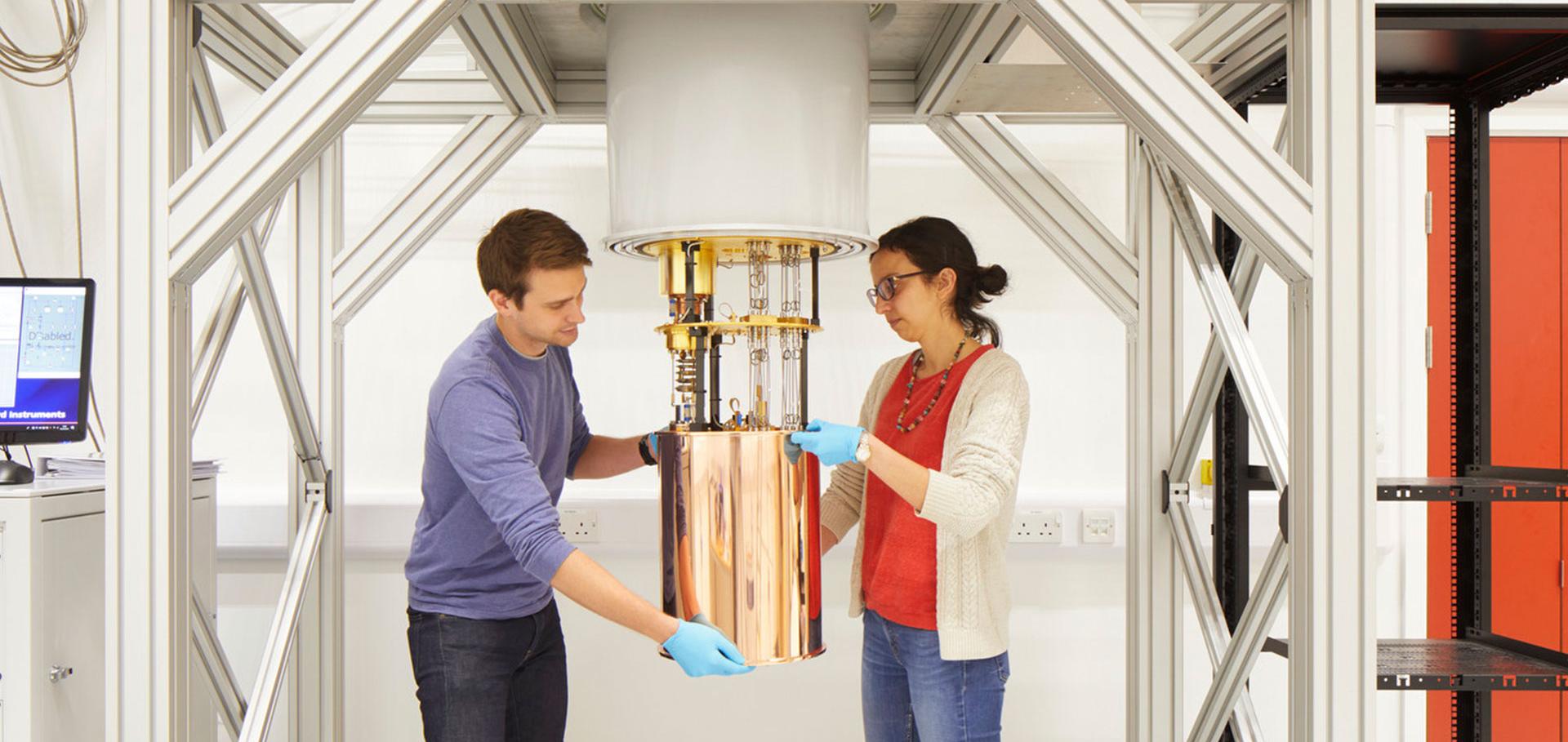
Credit: Jack Hobhouse

Napan Phuphathanaphong

Graduate Student

Sub department

  • Condensed Matter Physics
napan.phuphathanaphong@physics.ox.ac.uk
  • About
  • Publications

A comparative study of microwave assisted and conventional melting techniques to glass properties

Radiation Physics and Chemistry Elsevier BV 224 (2024) 112011

Authors:

W Wongwan, P Yasaka, K Boonin, S Khondara, HJ Kim, S Kothan, N Chanlek, P Kanjanaboos, N Phuphathanaphong, T Sareein, N Sangwaranatee, J Kaewkhao
More details from the publisher
More details

Application of Sm3+ doped Gd2O3–Y2O3–ZnO–B2O3 glass for development of X-ray imaging scintillator

Radiation Physics and Chemistry Elsevier BV 224 (2024) 112049

Authors:

B Supawat, M Tungjai, N Wantana, K Kirdsiri, P Pakawanit, C Phoovasawat, P Kanjanaboos, N Phuphathanaphong, N Intachai, S Kothan, HJ Kim, J Kaewkhao
More details from the publisher
More details

Study on structural and optical properties of Tb3+ co-doped Au glasses for green optical application

Radiation Physics and Chemistry Elsevier BV 224 (2024) 112055

Authors:

P Mangthong, N Srisittipokakun, R Rajaramakrishna, N Phuphathanaphong, P Kanjanaboos, N Intachai, S Kothan, J Kaewkhao
More details from the publisher
More details

Tb3+ doped silicoborate glass scintillator for high resolution synchrotron X-rays imaging application

Radiation Physics and Chemistry Elsevier BV 224 (2024) 112062

Authors:

N Intachai, S Kothan, N Wantana, F Khrongchaiyapum, S Kaewjaeng, P Pakawanit, C Phoovasawat, N Chanlek, P Kanjanaboos, N Phuphathanaphong, HJ Kim, J Kaewkhao
More details from the publisher
More details

Cs and Br tuning to achieve ultralow-hysteresis and high-performance indoor triple cation perovskite solar cell with low-cost carbon-based electrode.

iScience 27:4 (2024) 109306

Authors:

Ladda Srathongsian, Anusit Kaewprajak, Atittaya Naikaew, Chaowaphat Seriwattanachai, Napan Phuphathanaphong, Anuchytt Inna, Thana Chotchuangchutchaval, Woraprom Passatorntaschakorn, Pisist Kumnorkaew, Somboon Sahasithiwat, Duangmanee Wongratanaphisan, Pipat Ruankham, Ratchadaporn Supruangnet, Hideki Nakajima, Pasit Pakawatpanurut, Pongsakorn Kanjanaboos

Abstract:

With high efficacy for electron-photon conversion under low light, perovskite materials show great potential for indoor solar cell applications to power small electronics for internet of things (IoTs). To match the spectrum of an indoor LED light source, triple cation perovskite composition was varied to adjust band gap values via Cs and Br tuning. However, increased band gaps lead to morphology, phase instability, and defect issues. 10% Cs and 30% Br strike the right balance, leading to low-cost carbon-based devices with the highest power conversion efficiency (PCE) of 31.94% and good stability under low light cycles. With further improvement in device stack and size, functional solar cells with the ultralow hysteresis index (HI) of 0.1 and the highest PCE of 30.09% with an active area of 1 cm2 can be achieved. A module from connecting two such cells in series can simultaneously power humidity and temperature sensors under 1000 lux.
More details from the publisher
More details
More details

Pagination

  • Current page 1
  • Page 2
  • Next page Next
  • Last page Last

Footer Menu

  • Contact us
  • Giving to the Dept of Physics
  • Work with us
  • Media

User account menu

  • Log in

Follow us

FIND US

Clarendon Laboratory,

Parks Road,

Oxford,

OX1 3PU

CONTACT US

Tel: +44(0)1865272200

University of Oxfrod logo Department Of Physics text logo
IOP Juno Champion logo Athena Swan Silver Award logo

© University of Oxford - Department of Physics

Cookies | Privacy policy | Accessibility statement

Built by: Versantus

  • Home
  • Research
  • Study
  • Engage
  • Our people
  • News & Comment
  • Events
  • Our facilities & services
  • About us
  • Giving to Physics
  • Current students
  • Staff intranet