

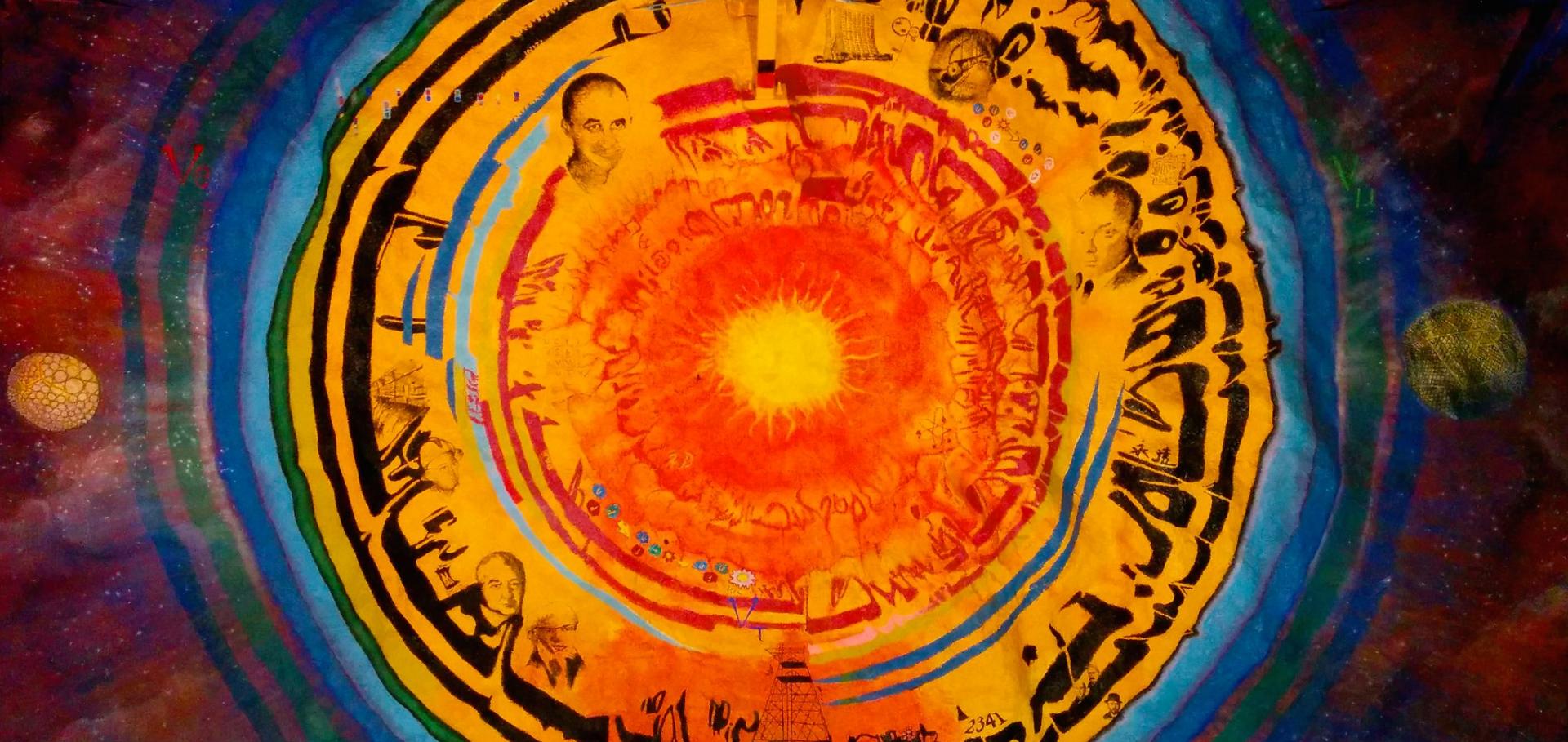
The search for solar neutrinos
Endeavour Elsevier 17:3 (1993) 104-109
A NEW MEASUREMENT OF DIRECT CP VIOLATION IN THE NEUTRAL KAON SYSTEM
317 (1993) 233-242
Authors:
GD Barr, P Buchholz, R Carosi, D Coward, D Cundy, N Doble, L Gatignon, V Gibson, P Grafstrom, R Hagelberg, J Vanderlans, HN Nelson, H Wahl, KJ Peach, H Blumer, R Heinz, K Kleinknecht, P Mayer, B Panzer, B Renk, H Rohrer, HG Sander, A Wagner, E Auge, D Fournier, P Heusse, L Iconomidoufayard, I Harrus, O Perdereau, AC Schaffer, L Serin, L Bertanza, A Bigi, P Calafiura, M Calvetti, MC Carrozza, R Casali, C Cerri, R Fantechi, IG Mannelli, VM Marzulli, A Nappi, G Pierazzini, M Holder, A Kreutz, G Quast, M Rost, R Werthenbach, G ZechA PRECISION EXPERIMENT ON ELECTRONS, PHOTONS AND MUONS AT LHC
NUCLEAR INSTRUMENTS & METHODS IN PHYSICS RESEARCH SECTION A-ACCELERATORS SPECTROMETERS DETECTORS AND ASSOCIATED EQUIPMENT 325:1-2 (1993) 23-91
Authors:
T AZIZ, R BOCK, W BRAUNSCHWEIG, E GEULIG, K HILGERS, H HILLEMANNS, W KARPINSKI, O KORNADT, W KRENZ, T LEHMANN, B LINDEMANN, K LUBELSMEYER, A NIPPE, D PANDOULAS, YJ PEI, M ROHNER, D SCHMITZ, M SCHOENTAG, A SCHULZ, V DRATZIG, J SCHWENKE, G SCHWERING, R SIEDLING, K SUBHANI, M TOPOROWSKY, W WALLRAFF, A WEBER, N XIAO, Y ZENG, JF ZHOU, S ZITZEN, JJ BLAISING, G COIGNET, M LEBEAU, M SCHNEEGANS, CY CHIEN, PH FISHER, T PAUL, A PEVSNER, C SPARTIOTIS, G POLIVKA, R RICKENBACH, M STEINACHER, SM ZHOU, L TAUSCHER, JZ BAI, C CHEN, GM CHEN, HS CHEN, SN CHEN, GL DAI, C FANG, JT HE, XG HU, BN JIN, HB LAN, BM LI, HT LI, RB LI, HM LIU, YS LU, JM MA, YF MAO, YH QU, J SHEN, XW TANG, KL TUNG, F WANG, JH WANG, CL WEI, RJ WU, PP XIE, J YAN, CG YANG, KS YANG, ZQ YU, GR ZHENG, GY ZHU, B ZHANG, F BLOCK, D BOSCHERINI, G BRUNI, P BRUNI, GC ROMEO, M CHIARINI, F CINDOLO, F CIRALLI, S D'AURIA, C DELPAPA, F FRASCONI, P GIUSTI, G IACOBUCCI, G LEVI, G MACCARONE, A MARGOTTI, T MASSAM, R NANIA, F PALMONARI, G SARTORELLI, R TIMELLINI, S TZAMARIAS, T AZIZ, S BANERJEE, SR CHENDVANKAR, PV DESHPANDE, S DUTTA, SN GANGULI, SK GUPTA, A GURTU, M MAITY, S MANGLA, K MAZUMDAR, R RAGHAVAN, K SHANKAR, K SUDHAKAR, SC TONWAR, S AHLEN, A MARIN, B ZHOU, C COCA, T ANGELESCU, F COTOROBAI, N GHEORDANESCU, A MIHUL, D POP, T CSORGO, I HOSVATTI, P LEVAI, M PRISZUYAK, J TOTH, J ZIMANYI, AL ANDERSON, U BECKER, P BERGES, JD BURGER, M CAPELL, YH CHANG, J CHEN, M CHEN, S CHUNG, L CLARE, R CLARE, TS DAI, FJ EPPLING, A KLIMENTOV, V KOUTSENKO, T KRAMER, A KUNIN, A LEBEDEV, D LUCKEY, A RUBBIA, MS SARAKINOS, S SHOTKIN, B SMITH, M STEUER, SCC TING, SM TING, YF WANG, B WYSLOUCH, V GANTMAHER, V GRAZJILIS, N KLASSEN, Y OSSIPYAN, I SCHEGELEV, V TIMOFEEV, T BARILLARI, M SCHIOPPA, G SUSINNO, O ADRIANI, M BOCCIOLINI, AM CARTACCI, G CIANCAGLINI, C CIVININI, R DALESSANDRO, G LANDI, M LENTI, M MESCHINI, G PASSALEVA, M PIERI, V POZHIDAEV, P SPILLANTINI, G ANZIVINO, S DEPASQUALE, L VOTANO, J ALCARAZ, G BRUGNOLA, N COLINO, M FELCINI, V INNOCENTE, M MARINO, M PEIRI, J SALICIO, A ZICHICHI, F ANSELMO, R BARILLERE, A CONTIN, R DESALVO, H GERWIG, P FORD, A HERVE, G LACOMMARE, H LARSEN, G LAURENTI, P LECOQ, JM LEGOFF, C NEMOZ, C WILLIAMS, F WITTGENSTEIN, M BOURQUIN, WJ BURGER, D DUCHESNEAU, P EXTERMANN, J FIELD, G FORCONI, D GOUJON, H HOORANI, J PERRIER, GF SUSSINO, M ZOFKA, R AYAD, JZ BAI, B BENCHEICK, XD CAI, UK CHATURVEDI, WY CHEN, XT CUI, XY CUI, MT DOVA, C GU, AH HASAN, D HATZIFOTIADOU, HL HE, G HU, RA KHAN, M KAUR, S KHOKHAR, JL VALVERDE, EL FLORIAN, Q LIN, LB LIU, Y MI, Y MIR, NE MOULAI, MA NIAZ, S QIAN, KN QURESHI, Z REN, HA RIZVI, R SEHGAL, YM SHABELSKI, JY SUN, LZ SUN, AA SYED, P VIKAS, U VIKAS, M WADHWA, KL WANG, ZM WANG, SX WU, XM XIA, CY YANG, G YANG, CH YE, Q YE, Y YE, JM YOU, N YUNUS, GY ZAMORA, M ZENG, ZP ZHANG, M ZHAO, Q AN, HF CHEN, Q GAO, ZF GONG, CH GU, Y JIANG, C LI, ZY LIN, YY LIU, WZ LU, WG MA, LZ SUN, CR WANG, YF WANG, ZM WANG, J WU, ZZ XU, BZ YANG, JB YE, SX YE, ZP ZHANG, MH ZHOU, J SARVAS, J HEIKKONEN, P KOIKKALAINEN, H KALVIAINEN, J LAMPINEN, E OJA, P ROSSELET, H ELMAMOUNI, P LEBRUN, JP MARTIN, M AGUILARBENITEZ, P ARCE, J BERDUGO, C BURGOS, M CERRADA, B DELACRUZ, D FERNANDEZ, G FERNANDEZ, P GARCIAABIA, E GONZALEZ, PL DEGUEVERA, C MANA, FJ RODRIGUEZ, L ROMERO, JM SALICIO, C WILLMOTT, A BASCHIROTTO, M BOSETTI, R CASTELLO, S PENSOTTI, PG RANCOITA, M RATTAGGI, G TERZI, DY AKIMOV, A AREFIEV, AI BOLOZDYNYA, DL CHURAKOV, Y GALAKTIONOV, A KLIMENTOV, Y KOLOTAEV, V KOUTSENKO, A KUNIN, A MALININ, V PLYASKIN, V POJIDAEV, A ROZJKOV, E SHUMILOV, V SHOUTKO, I VETLITSKY, I VOROBIEV, LA BRAGIN, N CHERNOPLEKOV, I KARPUSHOV, E KLIMENKO, S LELEKHOV, A MALOFEEV, V MOKHNATUK, S NOVIKOV, E VELIKHOV, A ALOISIO, MG ALVIGGI, E BRAMBILLA, G CARLINO, R DEASMUNDIS, S LANZANO, L LISTA, P PAOLUCCI, S PATRICELLI, D PICCOLO, C SCIACCA, P RAZIS, J SEGUINOT, T YPSILANTIS, G GRATTA, M GRUENEWALD, D KIRKBY, R MOUNT, XR SHI, C TULLY, C ZACCARDELLI, RY ZHU, R BATTISTON, GM BILEI, M CARIA, B CHECCUCI, S EASO, V KRASTEV, M PAULUZZI, L SERVOLI, S WANG, L CIFARELLI, IC BROCK, A ENGLER, T FERGUSON, RW KRAEMER, M MERK, G TSIPOLITIS, H VOGEL, P DENES, V GUPTA, PA PIROUE, H STONE, DP STICKLAND, D WRIGHT, J JOHN, P KOZMA, D RICHTER, F SPURNY, V STREIT, M VOMACHA, L BARONE, B BORGIA, F CESARONI, F DENOTARISTEFANI, M DIEMOZ, C DIONISI, S FALCIANO, E LEONARDI, E LONGO, C LUCI, L LUMINARI, G MIRABELLI, G ORGANTINI, M RESCIGNO, E VALENTE, V ANDREEV, G ALKAHAZOV, A BYKOV, P KAPINOS, V KIM, A TSAREGORODTSEV, A VOROBIEV, Y ZALITE, XL FANG, CD FENG, XQ FENG, HX GAO, M GAO, PX GU, JK GUO, GQ HU, YL HU, SK HUA, PJ LI, ZD QI, DZ SHEN, EW SHI, WT SU, XX WANG, ZY WEI, YY XIE, L XU, ZL XUE, DS YAN, ZW YIN, XL YUAN, YF ZHANG, GM ZHAO, YL ZHAO, WZ ZHONG, RM ZHOU, HC CHEN, WZ CHEN, ZM CHEN, ZS DING, MZ GE, ZY GUO, GY HAN, JR HAN, M HE, MH JIANG, M JIN, H LI, Q LI, MH LIANG, GL LIU, DH NAN, H PAN, C QIAN, JS QU, H SHEN, Y TANG, C SI, CR WANG, R WANG, WM WANG, WM WU, S XIE, B XU, W YANG, Q YE, CY YIN, BT YU, CW YU, CZ ZHANG, NJ ZHANG, S ZHANG, XS ZHANG, XY ZHANG, SM ZHOU, AH WALENTA, N SHIVAROV, MT CHOI, JK KIM, YG KIM, SC KIM, D SON, A CHEN, LS HSU, YY LEE, WL LIN, WT LIN, WT NI, S SU, YC YANG, SC YEH, HC YEN, A KOSKI, L KETTUNEN, R MIKKONEN, N OJALA, D DIBITONTO, T PENNINGTON, K SUBHANI, Y TAKAHASHI, A BUJAK, DD CARMONY, LJ GUTAY, T MCMAHON, BC SPRINGFELLOW, H ANDERHUB, F BEHNER, J BEHRENS, B BETEV, A BILAND, M DHINA, R EICHLER, G FABER, K FREUDENREICH, C GRAB, M HANSLI, H HOFER, I HORVATH, M JONGMANNS, P LECOMTE, P LECOULTRE, M MACDERMOTT, M MAOLINBAY, P MARCHESINI, D MCNALLY, F NESSITEDALDI, C NEYER, J PARADISO, F PAUSS, M POHL, G RAHALCALLOT, D REN, J RIEDLBERGER, N SCHOLZ, U ROSER, H RYKACZEWSKI, H SUTER, J ULBRICHT, G VIERTEL, HP VONGUNTEN, S WALDMEIER, J WEBER, P ZEMPA SEARCH FOR THE NEUTRAL HIGGS BOSON AT LEP
PHYSICS LETTERS B 303:3-4 (1993) 391-399
Authors:
O ADRIANI, M AGUILARBENITEZ, S AHLEN, J ALCARAZ, A ALOISIO, G ALVERSON, MG ALVIGGI, G AMBROSI, Q AN, H ANDERHUB, AL ANDERSON, VP ANDREEV, L ANTONOV, D ANTREASYAN, P ARCE, A AREFIEV, A ATAMANCHUK, T AZEMOON, T AZIZ, PVKS BABA, S BACHMANN, P BAGNAIA, JA BAKKEN, L BAKSAY, RC BALL, S BANERJEE, J BAO, R BARILLERE, L BARONE, A BASCHIROTTO, R BATTISTON, A BAY, F BECATTINI, U BECKER, F BEHNER, J BEHRENS, GL BENCZE, J BERDUGO, P BERGES, B BERTUCCI, BL BETEV, M BIASINI, A BILAND, GM BILEI, R BIZZARRI, JJ BLAISING, GJ BOBBINK, R BOCK, A BOHM, B BORGIA, M BOSETTI, D BOURILKOV, M BOURQUIN, D BOUTIGNY, B BOUWENS, E BRAMBILLA, JG BRANSON, IC BROCK, M BROOKS, A BUJAK, JD BURGER, WJ BURGER, J BUSENITZ, A BUYTENHUIJS, XD CAI, M CAPELL, M CARIA, G CARLINO, AM CARTACCI, R CASTELLO, M CERRADA, F CESARONI, YH CHANG, UK CHATURVEDI, M CHEMARIN, A CHEN, C CHEN, GM CHEN, HF CHEN, HS CHEN, M CHEN, WY CHEN, G CHIEFARI, CY CHIEN, MT CHOI, S CHUNG, C CIVININI, I CLARE, R CLARE, TE COAN, HO COHN, G COIGNET, N COLINO, A CONTIN, XT CUI, XY CUI, TS DAI, R DALESSANDRO, R DEASMUNDIS, A DEGRE, K DEITERS, E DENES, P DENES, F DENOTARISTEFANI, M DHINA, D DIBITONTO, M DIEMOZ, HR DIMITROV, C DIONISI, L DJAMBAZOV, MT DOVA, E DRAGO, D DUCHESNEAU, P DUINKER, I DURAN, S EASO, H ELMAMOUNI, A ENGLER, FJ EPPLING, FC ERNE, P EXTERMANN, R FABBRETTI, M FABRE, S FALCIANO, SJ FAN, O FACKLER, J FAY, M FELCINI, T FERGUSON, D FERNANDEZ, G FERNANDEZ, F FERRONI, H FESEFELDT, E FIANDRINI, J FIELD, F FILTHAUT, G FINOCCHIARO, PH FISHER, G FORCONI, T FOREMAN, K FREUDENREICH, W FRIEBEL, M FUKUSHIMA, M GAILLOUD, Y GALAKTIONOV, E GALLO, SN GANGULI, P GARCIAABIA, D GELE, S GENTILE, S GOLDFARB, ZF GONG, E GONZALEZ, A GOUGAS, D GOUJON, G GRATTA, M GRUENEWALD, C GU, M GUANZIROLI, JK GUO, VK GUPTA, A GURTU, HR GUSTAFSON, LJ GUTAY, K HANGARTER, A HASAN, D HAUSCHILDT, CF HE, JT HE, T HEBBEKER, M HEBERT, G HERTEN, A HERVE, K HILGERS, H HOFER, H HOORANI, G HU, GQ HU, B ILLE, MM ILYAS, V INNOCENTE, H JANSSEN, S JEZEQUEL, BN JIN, LW JONES, A KASSER, RA KHAN, Y KAMYSHKOV, P KAPINOS, JS KAPUSTINSKY, Y KARYOTAKIS, M KAUR, S KHOKHAR, MN KIENZLEFOCACCI, JK KIM, SC KIM, YG KIM, WW KINNISON, D KIRKBY, S KIRSCH, W KITTEL, A KLIMENTOV, AC KONIG, E KOFFEMAN, O KORNADT, V KOUTSENKO, A KOULBARDIS, RW KRAEMER, T KRAMER, VR KRASTEV, W KRENZ, A KRIVSHICH, H KUIJTEN, KS KUMAR, A KUNIN, G LANDI, D LANSKE, S LANZANO, P LEBRUN, P LECOMTE, P LECOQ, P LECOULTRE, DM LEE, I LEEDOM, C LEGGETT, JM LEGOFF, R LEISTE, M LENTI, E LEONARDI, X LEYTENS, C LI, HT LI, PJ LI, JY LIAO, WT LIN, ZY LIN, FL LINDE, B LINDEMANN, L LISTA, Y LIU, W LOHMANN, E LONGO, YS LU, JM LUBBERS, K LUBELSMEYER, C LUCI, D LUCKEY, L LUDOVICI, L LUMINARI, W LUSTERMANN, JM MA, WG MA, M MACDERMOTT, PK MALHOTRA, R MALIK, A MALININ, C MANA, M MAOLINBAY, P MARCHESINI, F MARION, A MARIN, JP MARTIN, L MARTINEZLASO, F MARZANO, GGG MASSARO, K MAZUMDAR, P MCBRIDE, T MCMAHON, D MCNALLY, M MERK, L MEROLA, M MESCHINI, WJ METZGER, Y MI, GB MILLS, Y MIR, G MIRABELLI, J MNICH, M MOLLER, B MONTELEONI, R MORAND, S MORGANTI, NE MOULAI, R MOUNT, S MULLER, A NADTOCHY, E NAGY, M NAPOLITANO, F NESSITEDALDI, H NEWMAN, C NEYER, MA NIAZ, A NIPPE, H NOWAK, G ORGANTINI, D PANDOULAS, S PAOLETTI, P PAOLUCCI, G PASCALA, G PASSALEVA, S PATRICELLI, T PAUL, M PAULUZZI, C PAUS, F PAUSS, YJ PEI, S PENSOTTI, D PERRETGALLIX, J PERRIER, A PEVSNER, D PICCOLO, M PIERI, PA PIROUE, F PLASIL, V PLYASKIN, M POHL, V POJIDAEV, H POSTEMA, ZD QI, JM QIAN, KN QURESHI, R RAGHAVAN, G RAHALCALLOT, PG RANCOITA, M RATTAGGI, G RAVEN, P RAZIS, K READ, D REN, Z REN, M RESCIGNO, S REUCROFT, A RICKER, S RIEMANN, BC RIEMERS, K RILES, O RIND, HA RIZVI, FJ RODRIGUEZ, BP ROE, M ROHNER, S ROHNER, L ROMERO, J ROSE, S ROSIERLEES, R ROSMALEN, P ROSSELET, W VANROSSUM, S ROTH, A RUBBIA, JA RUBIO, H RYKACZEWSKI, M SACHWITZ, J SALICIO, JM SALICIO, GS SANDERS, A SANTOCCHIA, MS SARAKINOS, G SARTORELLI, M SASSOWSKY, G SAUVAGE, C SCHAFER, V SCHEGELSKY, D SCHMITZ, P SCHMITZ, M SCHNEEGANS, H SCHOPPER, DJ SCHOTANUS, S SHOTKIN, HJ SCHREIBER, J SHUKLA, R SCHULTE, S SCHULTE, K SCHULTZE, J SCHWENKE, G SCHWERING, C SCIACCA, I SCOTT, R SEHGAL, PG SEILER, JC SENS, L SERVOLI, I SHEER, DZ SHEN, S SHEVCHENKO, XR SHI, E SHUMILOV, V SHOUTKO, D SON, A SOPCZAK, C SPARTIOTIS, T SPICKERMANN, P SPILLANTINI, R STAROSTA, M STEUER, DP STICKLAND, F STICOZZI, H STONE, K STRAUCH, BC STRINGFELLOW, K SUDHAKAR, G SULTANOV, LZ SUN, H SUTER, JD SWAIN, AA SYED, XW TANG, L TAYLOR, G TERZI, SCC TING, SM TING, M TONUTTI, SC TONWAR, J TOTH, A TSAREGORODTSEV, G TSIPOLITIS, C TULLY, KL TUNG, J ULBRICHT, L URBAN, U UWER, E VALENTE, RT VANDEWALLE, I VETLITSKY, G VIERTEL, P VIKAS, U VIKAS, M VIVARGENT, H VOGEL, H VOGT, I VOROBIEV, AA VOROBYOV, L VUILLEUMIER, M WADHWA, W WALLRAFF, C WANG, CR WANG, GH WANG, XL WANG, YF WANG, ZM WANG, A WEBER, J WEBER, R WEILL, TJ WENAUS, J WENNINGER, M WHITE, C WILLMOTT, F WITTGENSTEIN, D WRIGHT, SX WU, S WYNHOFF, B WYSLOUCH, YY XIE, JG XU, ZZ XU, ZL XUE, DS YAN, BZ YANG, CG YANG, G YANG, CH YE, JB YE, Q YE, SC YEH, ZW YIN, JM YOU, N YUNUS, M YZERMAN, C ZACCARDELLI, P ZEMP, M ZENG, Y ZENG, DH ZHANG, ZP ZHANG, B ZHOU, GJ ZHOU, JF ZHOU, RY ZHU, A ZICHICHI, BCC VANDERZWAANAN S-MATRIX ANALYSIS OF THE Z-RESONANCE
PHYSICS LETTERS B 315:3-4 (1993) 494-502